
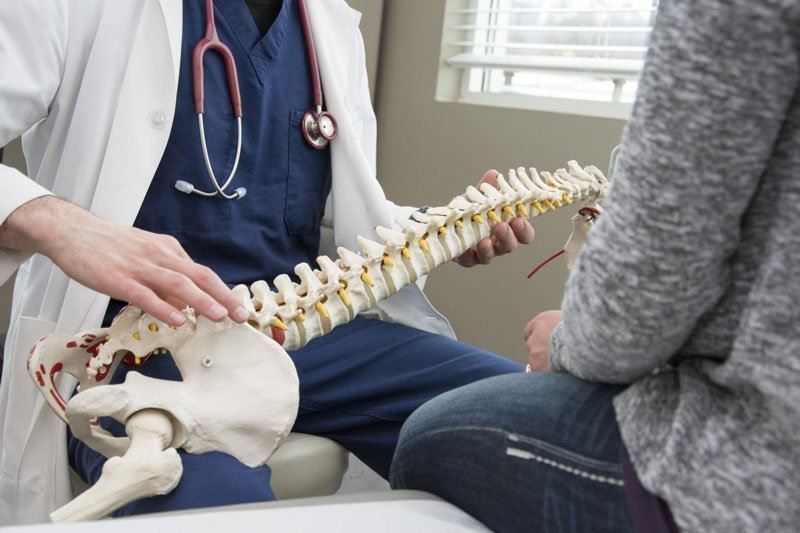

The way the spine carries the body influences how people move through daily routines. Even minor changes in posture can alter weight distribution, affect balance, and create stress on the joints that support coordinated motion. Dr. Larry Davidson, a neurosurgeon who frequently evaluates individuals experiencing early posture-related strain, often sees how alignment affects the body’s broader mechanics. Posture plays an active role in how the spine responds to daily demands, and small shifts can gradually shape patterns of movement that feel familiar, long before they draw attention.
Some individuals overlook posture-related shifts because they develop slowly across months or years. A brief examination of these patterns can reveal how early awareness promotes mobility, and reduces the risk of chronic joint issues.
Posture as a Foundation for Movement
The spine serves as the central framework that supports walking, bending, and standing. When alignment remains balanced, the body distributes weight evenly across the muscles and joints that support movement. This even distribution reduces unnecessary strain. A steady posture also keeps the head, shoulders, and lower body moving in harmony. These connections support smooth and efficient motion. When posture begins to drift away from this natural balance, stress can build in certain areas long before discomfort appears.
Small posture adjustments can significantly impact how the body absorbs force during daily activities. A slight forward lean may shift weight onto the knees or hips. A rounded upper back can reduce the spine’s natural curves, affecting how muscles engage. Over time, these changes can influence gait patterns. Someone who once walked with a fluid step may begin to adopt shorter strides or heavier foot placement. These gradual shifts can cause joints to experience wear that grows more noticeable with age.
How Alignment Shapes Gait
Gait reflects a complex combination of balance, strength, and coordination. When spinal alignment remains steady, the pelvis and lower limbs move in a natural pattern. If alignment changes, gait can follow. A forward tilted posture can place added stress on the hips and knees during each step. This stress can cause changes in stride length or foot placement. These adjustments often occur gradually and initially feel subtle.
Altered gait can create a cycle that increases strain on certain joints. As movements become less efficient, the body compensates by recruiting muscles that are not intended to support repetitive tasks. This compensation can lead to fatigue, stiffness, or tightness in nearby areas. Without attention, the cycle can continue and place ongoing pressure on joints that already face daily wear.
Joint Stress That Builds Over Time
When posture shifts repeatedly in the same direction, certain joints absorb more force than they should. Over the years, daily activity can lead to increased wear on the knees, hips, and ankles due to this extra stress. People may notice stiffness in the morning or discomfort after longer periods of walking.
Even small variations in posture can significantly impact how cartilage absorbs shock. Cartilage thrives when force is spread evenly across a joint surface. Uneven pressure can cause gradual irritation and reduce the smooth movement that healthy joints rely on. Although these changes unfold slowly, they can lead to chronic mobility issues if alignment problems persist.
Patterns That Suggest Compression and Strain
When people experience reduced coordination or subtle declines in stability, alignment may be involved. These signs can appear before noticeable discomfort develops. A person might find that balance feels different when stepping onto a curb or navigating uneven ground. These shifts often demonstrate how the spine’s posture affects communication between the brain and the lower body. Small alignment changes can influence how nerves, muscles, and joints respond during movement.
Changes in walking rhythm can also signal that posture is affecting mobility. Some may adopt a heavier step, while others shorten their strides without realizing it. These transitions can reveal early signs of strain in the joints that support the body throughout the day. Recognizing these patterns early can help preserve mobility and support healthier movement.
How Progression Shapes Mobility
As posture-related strain increases, the connection between alignment and long-term function becomes more evident. Subtle shifts in the way a person stands or walks can influence how comfortably the spine and joints manage daily demands. Dr. Larry Davidson explains, “For example, cervical spinal canal stenosis with myelopathy requires timely treatment. It may not be an emergency, but waiting too long can lead to permanent neurologic damage that is not reversible.” His observation serves as a broader reminder that structural changes, even when gradual, warrant attention, before they have a more noticeable impact on movement. Identifying alignment-related shifts early can help reduce the strain that contributes to long-term mobility concerns.
Movement depends on steady communication between the spine and the limbs, and alignment plays a vital role in how that communication unfolds. When posture places uneven stress on joints or alters the efficiency of movement patterns, timely adjustments support stability across the years. Through early awareness, individuals can protect joint health and maintain more comfortable mobility, as daily demands develop.
Steps That Support Healthy Alignment
Awareness provides the first step in supporting a healthier posture. Noticing how the body feels during activities, such as walking, sitting, or standing, can help identify patterns that require attention and adjustment. When people observe that certain positions create tension or imbalance, they can adjust their movements during daily routines. These small corrections can support better alignment and reduce unnecessary strain.
Strengthening routines that focus on core stability and flexibility can also help. Muscles that support the spine play a key role in maintaining posture throughout the day. When these muscles stay engaged, the spine can carry weight more evenly. Gentle mobility exercises can also help reduce stiffness in the joints that contribute to gait issues. These steps provide a helpful foundation for individuals seeking to maintain strength and ease of movement.
Why the Issue Matters
Spinal alignment subtly shapes daily mobility, often going unnoticed, until changes begin to impact comfort or ease of movement. Early shifts in posture may seem insignificant, yet they significantly affect how the joints absorb force with every step, bend, or lift. When people notice these early signs, they can adjust habits before strain accumulates. These small corrections help preserve joint integrity and support smoother, more confident movement through the years.
Awareness of alignment encourages a deeper understanding of how the body responds to routine activities. Individuals who reflect on their movement patterns can identify opportunities to support steadier posture and reduce unnecessary stress on the joints. This attentive approach strengthens the foundation for long-term mobility, contributing to a more comfortable and active daily life.
Comments are closed.