
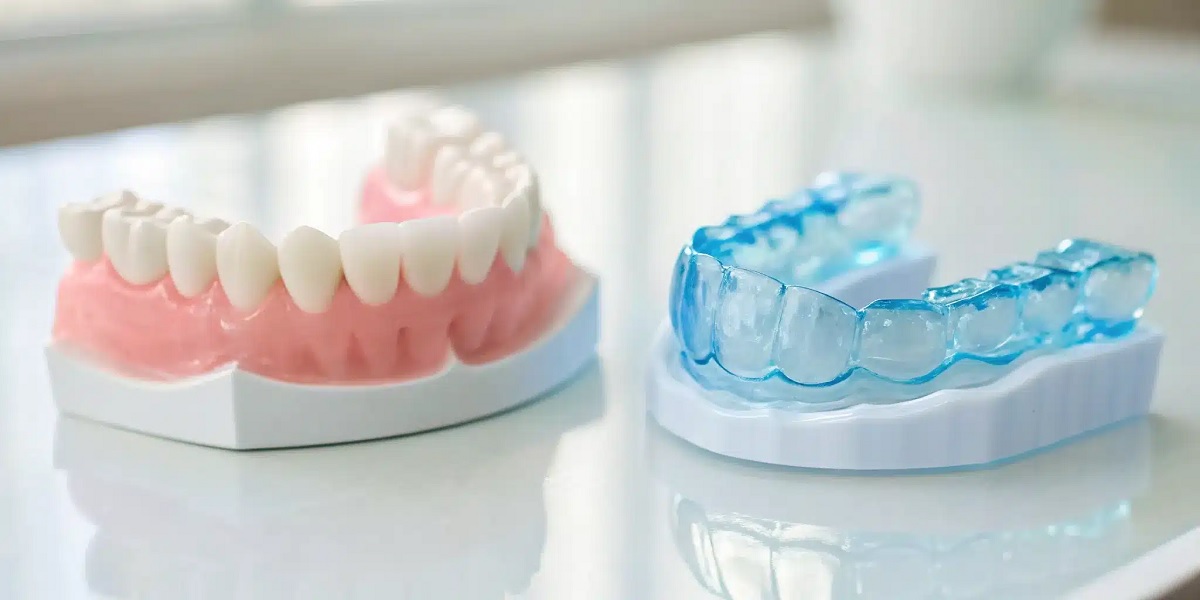

For decades, getting fitted for dentures meant a slow, hands-on process of moulds, wax try-ins, and multiple clinic visits before a final set was ready to wear. That’s changing. A wave of digital dentistry — scanning, computer-aided design, and 3D printing — is reshaping how dentures are made, promising shorter turnaround times, more consistent results, and in some cases lower costs. But how much of this is genuine improvement, and what should someone actually weigh up before choosing a denture solution? Here’s a plain-English look at the technology behind 3D-printed dentures and what it may mean for patients.
What Are 3D-Printed Dentures?
Traditional dentures are typically made using a process that involves taking a physical impression of the gums and jaw, creating a wax model, and then processing that model into an acrylic base with denture teeth set into it. It’s a craft-based workflow that has served patients well for generations, but it relies heavily on manual steps, and each stage introduces the potential for small variations that can affect the final fit.
3D-printed dentures use digital scanning and design software instead of (or alongside) physical impressions. A clinician captures the shape of the patient’s mouth using an intraoral scanner or a scanned model, and that data is used to design the denture digitally. Rather than being carved or moulded by hand, the final appliance — or key stages of it — is built up layer by layer using a dental-grade 3D printer. The result is intended to be a highly accurate, repeatable base that can be adjusted digitally before anything is physically produced.
How the Digital Workflow Generally Works
While techniques vary between clinics and laboratories, the broad workflow for digitally designed dentures tends to follow a similar pattern:
- Digital impression or scan – capturing the contours of the gums, palate, and remaining teeth (if any) using an intraoral scanner, or digitising a conventional impression.
- Design in software – a technician or clinician uses specialised dental CAD software to plan the shape of the denture base and the positioning of the teeth, often referencing the scan alongside bite records.
- 3D printing or milling – the design file is sent to a 3D printer (or, in some workflows, a milling machine) that produces the physical denture base or a try-in model.
- Fitting and refinement – the patient tries the appliance in, adjustments are noted, and — because the design exists digitally — refinements can often be made and reprinted more quickly than reworking a manual model from scratch.
Because so much of the process happens on a computer before anything is physically fabricated, mistakes can potentially be caught and corrected earlier, and duplicate copies of a well-fitting denture can, in principle, be produced more easily than with traditional lab methods.
Potential Benefits: Speed, Cost, and Fit
Emerging 3D-printing technology is increasingly used across dentistry, and denture care is one of the areas attracting the most interest. The reported advantages generally fall into three categories.
Turnaround time. Digital workflows can reduce the number of in-person appointments needed and may shorten the overall time between initial consultation and a finished denture, since digital files can move between scanning, design, and production stages faster than physical models can be shipped and reworked.
Cost. For some patients, a streamlined digital process may translate into lower overall costs, particularly for replacement dentures or straightforward cases, since less manual labour is required per unit once a digital workflow is established. That said, cost varies considerably depending on the complexity of the case, the materials used, and the individual clinic — so it shouldn’t be assumed that 3D printing is automatically cheaper in every situation.
Fit and accuracy. Because the design is based on a precise digital scan rather than a hand-poured model, proponents argue that 3D-printed dentures can offer more predictable and consistent fit, with less room for the small distortions that can occur during traditional processing. Digital files are also easy to store and reuse, which may make it simpler to produce a duplicate denture in future if one is lost or damaged.
Traditional Dentures vs 3D-Printed: What’s the Difference in Practice?
It’s worth being clear that 3D printing isn’t a wholesale replacement for traditional denture-making — many clinics use a hybrid approach, combining digital scanning and design with conventional processing techniques, or reserving fully digital workflows for particular cases. Traditional methods remain a well-established, proven option, particularly for complex cases requiring significant hands-on adjustment.
The choice between approaches often comes down to what’s available locally, the complexity of the patient’s mouth and bite, and personal preference. Some patients value the tactile, try-in-heavy process of traditional denture fabrication; others prioritise the speed and consistency that a digital approach can offer.
What to Ask Your Clinic Before Choosing Dentures
Given the variation between providers and techniques, it’s worth asking a few questions before committing to a particular denture solution:
- Does the clinic use digital scanning, 3D printing, or a combination of digital and traditional methods?
- How many appointments are typically required from consultation to final fitting?
- What materials are used for the denture base and teeth, and how do they compare in durability?
- Is a duplicate or backup denture available, and how easily can one be produced if needed?
- What is the process for adjustments after the initial fit, and are follow-up visits included?
- What is the realistic cost range, and does it vary based on complexity or number of teeth involved?
Asking these questions helps set realistic expectations, whichever approach a clinic recommends.
Looking Ahead
Digital dentistry is still evolving, and 3D-printed dentures are part of a broader shift toward more predictable, technology-assisted dental care. As with any dental treatment, the best outcome tends to come from working with an experienced provider who can explain the options clearly and tailor the approach to the individual patient’s needs, rather than assuming any single method is automatically the right fit for everyone. Clinics such as DentureCare Professionals Australia (DCPA), based on the Gold Coast, are among those incorporating digital scanning and 3D-printing techniques alongside traditional denture care, reflecting the gradual, practical adoption of this technology in everyday clinical practice.
Whether someone is exploring dentures gold coast for the first time or considering a replacement, understanding both traditional and digital options — and asking the right questions — is the best way to make an informed decision about long-term oral health.
Comments are closed.