
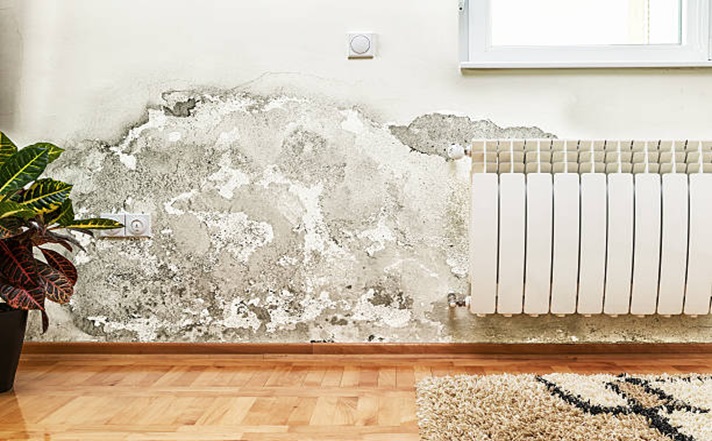

A dark patch behind a wardrobe may not look serious.
But when the room starts smelling musty. Someone wakes with a blocked nose. Or a cough seems worse after spending time there. The problem may be more than cosmetic. Damp can change the condition of a room slowly. And mould often appears only after moisture is there.
Mould likes damp places. Leaks, condensation, flooding or poor airflow. And rooms that stay humid for long periods can help it in growing.
Why Damp Can Become a Health Concern
Not everyone reacts to mould in the same way.
Some people may notice a blocked nose. Sore throat. Coughing. Wheezing, or irritation around the eyes and skin. For someone with asthma. Or a mould allergy, the reaction may be very strong.
Still, it is important not to jump to conclusions. A cough can come from a cold. Or allergies, smoke. An infection, asthma, or several other causes. So living in a damp home does not automatically mean mould is responsible for every symptom.
Look for a Pattern
Sometimes the timing tells you everything.
If coughing, wheezing, nasal irritation, or chest discomfort seems worse in one room. But improves after spending time elsewhere, that pattern is noticeable. It does not prove the cause. But it gives useful context.
People with asthma, long-term lung conditions, strong allergies, or weaker immune systems may need to be more careful around visible mould and water-damaged areas.
Breathing trouble should not be treated as a cleaning problem. If symptoms are severe, keep returning, or include shortness of breath, medical advice is the better next step.
Find Out Where the Moisture Is Coming From
Wiping mould from a wall may improve how the room looks, but that will not help much if water keeps getting in.
The source matters.
Condensation around windows may point to poor ventilation or excess humidity. Damp near a sink could suggest a plumbing leak. A stain on the ceiling that becomes darker after heavy rain may point to a roof or exterior problem.
Each cause needs a different response.
Opening windows or using an extractor fan may help with condensation, but it will not fix a leaking pipe or damaged roof. In the same way, painting over a stained wall can hide the mark without stopping the moisture behind it.
Be Careful With Health Advice Found Online
Mould is one of those subjects that often attracts extreme claims.
Some articles make it sound harmless in every case. Others connect mould to almost every possible symptom, which can be just as misleading.
When reading health information online, check who wrote it, where the advice comes from, and whether the source separates established evidence from opinion. Someone reviewing online content might also use an AI text detector as part of a wider content-checking process, but that does not tell them whether the medical information itself is correct.
It requires evidence.
Online information can help people understand possible causes or prepare questions for a doctor, but it should not replace proper medical assessment when symptoms continue.
Deal With Moisture, Not Just Mould
The practical response is usually fairly simple: stop the moisture if possible, then deal with the affected area.
- Repair any leaks as soon as possible.
- Dry wet materials properly.
- Improve ventilation in kitchens and bathrooms.
- Check rooms that often feel humid or damp.
Repeated mould growth is different from a small one-off patch. If it keeps coming back, covers a large area, or appears after serious water damage, the underlying problem may need professional assessment rather than another round of surface cleaning.
Anyone with a respiratory condition should also be careful during major mould cleanup. Especially when damaged materials are being removed or disturbed.
Final Thoughts
Damp and mould should be treated as connected problems, but not as exactly the same one. The stain is what you can see. The moisture behind it is what needs fixing. And if breathing symptoms keep returning, become worse, or seem closely linked to time spent in a damp room, the sensible approach is to deal with both sides of the problem: check the building and get appropriate medical advice.
Comments are closed.