

Key Takeaways
Dental implants can transform a person’s lifestyle by enhancing their ability to eat, speak, and share a smile with confidence. This type of procedure doesn’t just improve appearance; it can uplift self-esteem and contribute to better overall well-being.
When teeth are missing, adjacent teeth may shift unintentionally. Implants help restore oral health, maintaining structural integrity without the need to alter nearby teeth.
Generally, patients lean toward dental implants over traditional dentures due to factors like the durability, comfort, and the way these implants fuse with the jawbone, avoiding movement during everyday activities.
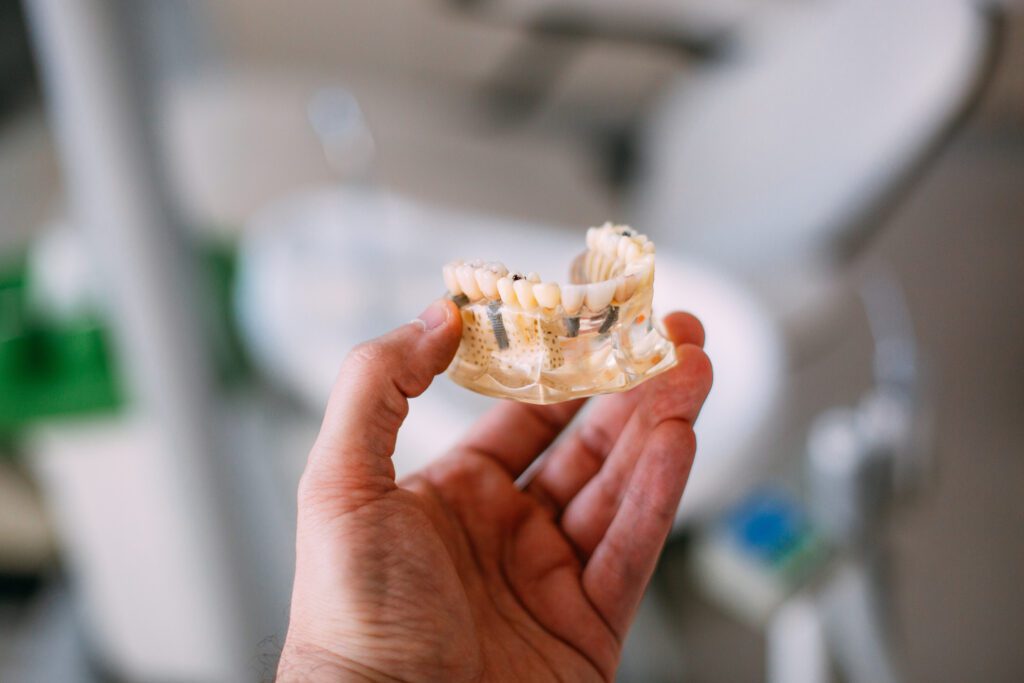
The process for dental implants typically involves an initial consultation, followed by the surgical placement of a titanium post. Afterward, there’s a healing phase where the bone integrates with the implant, culminating in the attachment of an abutment and crown.
Investing in dental implants is a long-term commitment. Costs can differ significantly based on factors like the number of implants needed, case complexity, and materials selected. Thankfully, insurance and flexible financing options are often available to assist with the financial aspects.
ARCHPOINT Implant Dentistry in Dallas is well-regarded for providing personalized care alongside advanced technology, ensuring that patients receive optimal outcomes and comfort during their implant procedures.
During consultations, patients are encouraged to ask important questions regarding the dentist’s experience, the techniques used, and potential risks to ensure they feel confident in their choice for dental implant services.
Exploring the Advantages of Dental Implants in Dallas
The Life-Changing Benefits of Replacing Missing Teeth
Missing teeth can create major challenges for individuals, impacting both their appearance and daily functions. Dental implants aren’t just a remedy; they play a vital role in enhancing a person’s way of life. The ability to eat, speak, and smile with confidence improves significantly when one opts for implants as compared to other tooth replacement options. Studies highlight that dental implants restore more than mere aesthetics; they can rejuvenate confidence and overall quality of life.
The ramifications of missing teeth on oral health are significant and cannot be overlooked. Loss of teeth can lead to adjacent teeth shifting or becoming misaligned, resulting in chaos in one’s bite. Implants help regain that essential structure and balance which is crucial for oral health.
- Improved oral health: Implants leave adjacent teeth intact.
- Natural appearance: They closely mimic real teeth.
- Durability: With proper care, they have the potential to last a lifetime.
Patients with dental implants frequently report satisfaction levels much higher than those wearing traditional dentures. It’s not just about looks; it’s really about regaining comfort and functional abilities.
Why Patients Prefer Dental Implants Over Traditional Options
The discussion comparing dental implants with traditional solutions, such as dentures or bridges, often elicits strong opinions. Clearly, patients opt for implants because of their durability and effectiveness. Traditional solutions often lean on adjacent teeth for support, risking their structural integrity over time. Implants stand apart by being self-supporting, rooted in the jawbone much like natural teeth.
Comfort is another significant consideration. Dentures can slide or feel uncomfortable, whereas dental implants integrate firmly with the jawbone, preventing unwanted movement during natural activities like eating or speaking. Assurance becomes a vital aspect of daily living in this context.
- Reduced jawbone deterioration: Implants promote bone growth.
- Ease of upkeep: No special cleaning routines are needed.
- Long-term cost effectiveness: Even if the initial costs are higher, they often provide lasting value.
When one scrutinizes the multitude of benefits implants offer, the choice becomes quite clear.
Real Patient Stories: Transformations Through Implants
Patient stories often provide insights that statistics can’t capture. Take Sarah, for example, who lost a tooth in an accident. Prior to her dental implant, she was reluctant to smile. After the procedure, her smile returned, along with her confidence. She noted feeling more at ease in social settings and less self-conscious about how she looked.
Then there’s Jake, who had constant annoyance from poorly fitting dentures. Transitioning to implants transformed his experience, and he remarked, “It feels like having my own teeth back.”
“Dental implants have truly changed my life and how I interact with others.” – Jane, Dallas patient
These narratives illustrate the deep impact dental implants can have on people’s lives. A simple procedure can redefine daily interactions and experiences.
What to Expect During the Dental Implant Procedure
Step-by-Step: The Surgical Process Explained
The path to a new smile begins with a thorough consultation. This includes a detailed examination of the patient’s oral health along with a review of medical history to lay the foundation for success. Afterward, a customized treatment plan is created.
The surgical procedure involves several important steps:
- Placement of the implant: A titanium post is surgically embedded into the jawbone.
- Osseointegration: In the following months, the bone heals around the implant, forming a sturdy base.
- Abutment attachment: Once the site has healed, an abutment connects the implant to the crown.
This sequence may sound daunting, yet it’s conducted under local anesthesia, ensuring comfort throughout. Many patients report minimal discomfort due to advancements in surgical techniques.
Post-Procedure Care: Ensuring a Smooth Recovery
The importance of recovery can’t be overstated. After the surgery, patients receive explicit care guidelines. Some swelling and soreness can be expected, but focusing on aftercare can greatly enhance the healing process. Soft foods, ice packs, and prescribed medications become critical components of recovery.
- It’s vital to maintain oral hygiene without disturbing the surgical site initially.
- Follow-up visits are key to monitor the healing process.
- Staying hydrated and consuming nutritious soft foods support recovery.
Proper follow-up ensures that any potential issues are addressed quickly, paving the way for a swift return to normality.
Timeline: From Consultation to Final Restoration
Patients often ask how long the entire process will take. While timelines can depend on individual situations, a general outline includes:
- Consultation and treatment plan development: 1-2 weeks.
- Implant placement surgery: 1 day.
- Healing process for osseointegration: 3-6 months.
- Final restoration (crown placement): 2-4 weeks.
Setting practical expectations is vital. A stunning new smile may take some time, but the wait is worthwhile, varying according to personal healing rates.
A Deeper Look into Dental Implant Costs and Financing Options
Understanding the Investment in Your Smile
Investing in dental implants signifies much more than just the procedure itself; this decision echoes a commitment to long-term health and well-being. Costs can vary widely, influenced by various factors. Recognizing these aspects will aid patients in preparing for what lies ahead.
Some factors that drive costs include:
- The number of implants required.
- Complexity of the procedure, including any necessary bone grafting.
- The materials chosen for the crown or abutment.
Being informed about these aspects can streamline decision-making for patients.
Insurance Coverage: Maximizing Your Benefits
Insurance can alleviate some of the financial burden. Many plans are beginning to offer coverage for dental implants, especially if deemed medically necessary. Understanding each unique plan’s provisions allows patients to leverage benefits effectively.
- Check your insurance policy for relevant coverage regarding implants.
- Inquire about the pre-authorization process with providers.
- Consider utilizing flexible health spending accounts (HSAs) for extra financial relief.
A proactive approach often leads to improved financial outcomes for patients.
Flexible Financing Plans for Dental Implants
The cost shouldn’t deter anyone eager to pursue a healthier smile. Nowadays, many dental clinics offer financing alternatives tailored to meet individual needs. This approach opens doors for more patients.
- Zero-interest financing plans can ease the burden of monthly payments.
- Payment arrangements through dental practices add a layer of convenience.
- Third-party financing options present additional financial pathways.
Such avenues ensure that concerns over finances do not hinder one’s journey to better oral health.
Choosing the Right Implant Dentist in Dallas
What Sets ARCHPOINT Implant Dentistry Apart
Selecting a provider is a pivotal decision. In Dallas, ARCHPOINT Implant Dentistry distinguishes itself through a commitment to patient care and expertise. Their team highlights a personalized approach, ensuring that every individual feels attended to throughout their entire journey.
The practice utilizes cutting-edge technology, enhancing precision and patient comfort during procedures. This focus contributes to fewer complications and optimized results.
Questions to Ask During Your Consultation
Being well-informed is crucial. During consultations, patients should feel encouraged to pose educated questions. Here are some essential inquiries to consider:
- What is the level of experience the implant dentist possesses?
- What specific technique will be employed for the placement?
- What are the potential risks and complications to be aware of?
Asking the necessary questions fosters confidence in both the chosen professional and process.
How to Evaluate Dentist Credentials and Experience
It’s critical to verify qualifications. Patients should ascertain that their dentist possesses the appropriate certifications and a wealth of experience in dental implant procedures. Important aspects to review include:
- Board certifications and affiliations with dental organizations.
- Before-and-after photographs of prior work.
- Patient testimonials and reviews found on independent platforms.
Having confidence in one’s dentist can be paramount for peace of mind, particularly when undergoing procedures perceived as intricate.
Ultimately, dental implants present a genuine opportunity for individuals targeting improvements in their oral health and self-confidence. Through diligent research and adequate preparation, patients can anticipate a meaningful transformation that reaches beyond mere aesthetics.
FAQ
How do dental implants compare to other tooth replacement options in terms of longevity?
Dental implants generally outlast conventional options like dentures or bridges. With appropriate care, they can endure for a lifetime, resulting in fewer replacements or adjustments needed over time.
What kind of maintenance is required for dental implants?
Maintaining dental implants is relatively simple. Regular brushing and flossing are key, accompanied by routine dental check-ups to monitor the health of the implant and ensure everything is functioning properly.
Are dental implants suitable for everyone?
While most individuals qualify as good candidates for dental implants, certain health considerations can influence suitability. A comprehensive evaluation by a dental specialist will help determine if implants are the right fit for an individual.
How does smoking affect the dental implant process?
Smoking can complicate the healing process following dental implant surgery. It raises the risk of complications and could potentially result in implant failure. Consequently, professionals usually recommend quitting both before and after the procedure.
What should patients do if they experience discomfort after the implant procedure?
A degree of discomfort post-procedure is usual. However, intense pain or ongoing issues should be addressed with the dental provider promptly to eliminate any complications.
Can dental implants help in preventing bone loss?
Absolutely. Dental implants cushion the jawbone, helping stave off bone loss that generally occurs when teeth are missing. This feature is one of the principal advantages that differentiates implants from alternative tooth replacement methods.
Is sedation available during the dental implant procedure?
Indeed, many dental clinics provide sedation options to ensure comfort during implant procedures. Patients should engage in discussion with their dental team to ascertain the best sedation method to suit their preferences.
What happens if one implant fails, can others remain in place?
If an implant fails, it’s typically a localized issue, meaning that other implants can still remain intact. The dental team will assess the situation and recommend the most appropriate course of action, which may involve replacing the failed implant.
Useful Resources
- American Dental Association (ADA)
- American Academy of Implant Dentistry (AAID)
- National Institute of Dental and Craniofacial Research (NIDCR)
- WebMD – Dental Implants Overview
- Dental Implants Cheaper
- Colgate – Guide to Dental Implants
- Healthline – Understanding Dental Implants
- American Association of Oral and Maxillofacial Surgeons (AAOMS)
- American Student Dental Association (ASDA)
Comments are closed.