
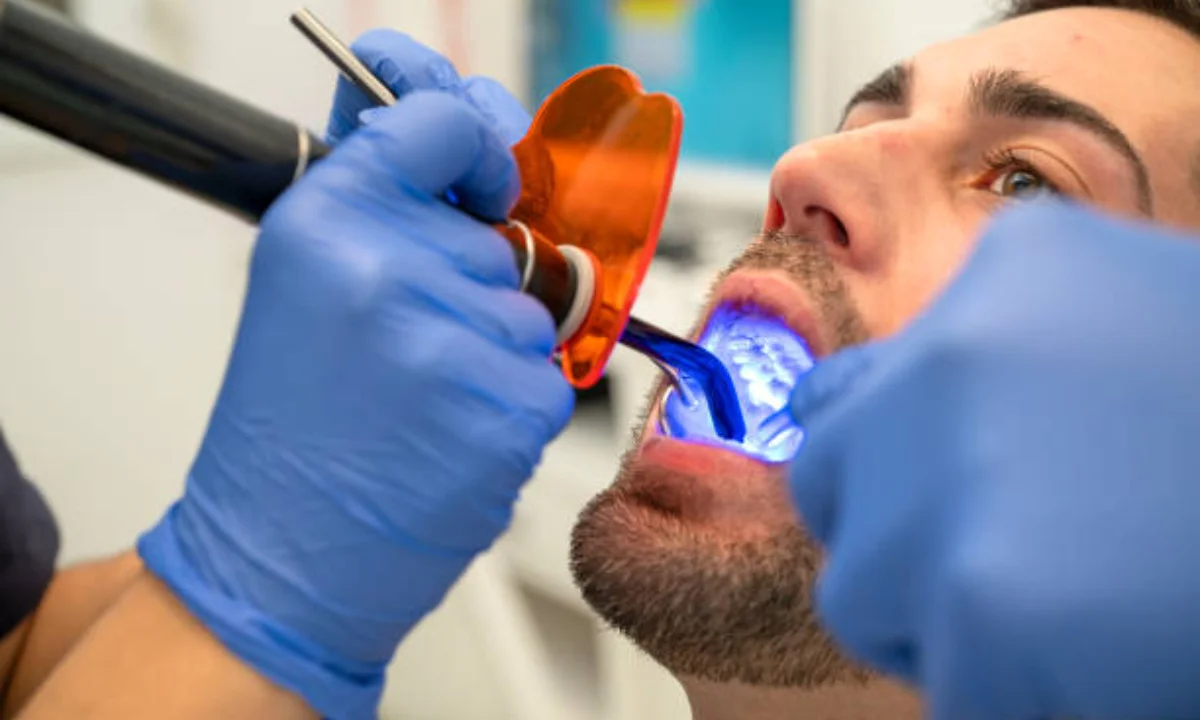

The landscape of modern dentistry is undergoing a radical transformation as we move through 2026. Gone are the days when a visit to the dentist was defined solely by the high-pitched whine of a drill and the discomfort of thick, goopy impression pastes. Today, the integration of high-precision hardware and intelligent software is shifting the focus from reactive repair to proactive, personalized wellness. These advanced dental tools are not just upgrades to existing equipment; they are fundamental shifts in how oral health is monitored, diagnosed, and treated on a daily basis.
From the implementation of artificial intelligence in routine X-ray analysis to the use of robotic guidance in surgical suites, technology is closing the gap between clinical intent and patient comfort. For the average patient, this means shorter appointments, less invasive procedures, and outcomes that are more predictable than ever before.
Artificial Intelligence in Diagnostic Imaging
One of the most significant leaps in everyday oral treatment is the widespread adoption of Artificial Intelligence (AI) for diagnostic purposes. In a traditional setting, a dentist would manually review bitewing or panoramic X-rays to spot decay. While effective, human fatigue or subtle visual cues can sometimes lead to missed early-stage issues.
Modern AI diagnostic platforms act as a persistent second set of eyes. These systems are trained on millions of clinical images to recognize the earliest markers of pathologies such as:
-
Interproximal Caries: Detecting cavities between teeth that are nearly invisible to the naked eye.
-
Bone Level Recessions: Identifying the subtle onset of periodontal disease by measuring bone height changes over time.
-
Periapical Pathosis: Spotting infections at the root tip before they manifest as acute pain.
By highlighting these areas in high-contrast overlays, AI helps dentists explain treatment needs to patients with greater clarity. This transparency builds trust, as patients can see exactly what the computer is flagging, making the diagnostic process a collaborative experience rather than a mysterious one.
The Shift to Digital Impressions and 3D Scanning
The traditional method of taking dental impressions—involving large metal trays filled with alginate or silicone putty—is rapidly becoming a relic of the past. Intraoral scanners have replaced this uncomfortable process with high-speed digital “video” of the mouth.
These handheld wands capture thousands of frames per second, stitching them into a highly accurate 3D model of the patient’s dentition. The benefits of this tool extend far beyond simple comfort. Digital scans are sent instantly to dental laboratories via the cloud, cutting down the turnaround time for crowns, bridges, and clear aligners. Furthermore, because these files do not warp or shrink like physical materials, the fit of the final restoration is significantly more precise, reducing the need for “chairside adjustments” during the delivery appointment.
Laser Technology and Minimally Invasive Care
Laser dentistry has moved from a niche luxury to a standard tool in many general practices. Advanced diode and hard-tissue lasers are changing how everyday treatments like cavity preparations and gum contouring are performed.
Hard Tissue Applications
Lasers can often remove tooth decay without the need for traditional anesthesia. Because the laser does not create the vibration and heat associated with a mechanical drill, many patients experience little to no pain. This “drill-free” approach is particularly beneficial for pediatric patients and those with significant dental anxiety.
Soft Tissue Management
For treatments involving the gums, lasers offer a level of precision that scalpels cannot match. Lasers simultaneously cut and cauterize tissue, which results in:
-
Minimal to zero bleeding during the procedure.
-
Reduced swelling and post-operative discomfort.
-
Faster healing times due to the bio-stimulatory effects of the light energy.
In 2026, integrated laser protocols are even being used for root canal disinfections, achieving bacterial reduction rates exceeding 99.9% by reaching deep into the microscopic tubules of the tooth structure.
3D Printing and Same-Day Restorations
The “waiting period” for dental prosthetics is shrinking thanks to chairside 3D printing and milling units. Historically, a patient needing a crown would have to wear a temporary restoration for two weeks while a lab fabricated the permanent one. Today, the “Scan-Design-Print” workflow allows for same-day dentistry.
Once an intraoral scan is taken, the dentist uses CAD (Computer-Aided Design) software to propose a restoration. This design is then sent to an in-office 3D printer or a milling machine. Within an hour, a permanent, high-strength ceramic crown or a biocompatible night guard is ready for the patient. This technology minimizes the number of office visits and eliminates the risk of “temporary” crowns falling off or breaking between appointments.
Robotic-Assisted Dental Surgery
While it might sound like science fiction, robotic assistance is now a reality in implant dentistry. Robotic systems work in tandem with the surgeon to ensure that dental implants are placed with sub-millimeter accuracy.
Before the surgery, a 3D CBCT (Cone Beam Computed Tomography) scan is used to map the patient’s jawbone, nerves, and sinus cavities. The robotic arm then provides haptic feedback to the dentist, preventing the drill from straying even slightly from the pre-planned path. This level of guidance ensures that the implant is placed in the ideal position for both long-term health and aesthetic appearance, significantly reducing the risk of surgical complications.
Smart Devices and Teledentistry Integration
The tools changing oral treatment aren’t just located in the dental office; they are also in the patient’s bathroom. The newest generation of smart toothbrushes features biometric sensors and AI coaching that syncs directly with a patient’s dental records.
These devices can track:
-
Brushing pressure to prevent enamel abrasion.
-
Surface coverage to ensure no areas are missed.
-
Frequency and duration of oral hygiene sessions.
In many cases, this data can be shared with the dental office through teledentistry platforms. If a patient’s brushing habits slip or if a smart-connected “intraoral camera” at home detects a suspicious spot, the dentist can provide a virtual consultation. This prevents minor issues from escalating into expensive emergencies, shifting the focus of dentistry toward a continuous care model.
Regenerative Materials and Bio-Active Fillings
Advanced materials are also playing a role in changing everyday treatments. We are seeing a move toward bio-active and regenerative materials that do more than just “plug” a hole in a tooth.
Modern resin-based composites are now being infused with minerals like calcium and phosphate. These materials can actually help remineralize the surrounding tooth structure, effectively “healing” the interface between the tooth and the filling. This reduces the likelihood of secondary decay and extends the lifespan of the restoration. In the near future, researchers are even looking at tissue engineering to regrow lost gum tissue or tooth enamel using stem cell-enriched scaffolds.
Conclusion
The integration of these advanced dental tools is creating a more efficient, comfortable, and accurate environment for oral healthcare. By leveraging AI for earlier diagnosis, 3D printing for immediate restorations, and lasers for painless procedures, the dental profession is making great strides in improving the patient experience. As these technologies continue to evolve and become more accessible, the standard for “everyday” treatment will continue to rise, ensuring that maintaining a healthy smile is easier than ever before.
Frequently Asked Questions
Are AI dental diagnostics as reliable as a human dentist?
AI is designed to be a supportive tool rather than a replacement. While AI is exceptionally good at spotting patterns and tiny inconsistencies in X-rays that the human eye might miss, the final diagnosis always rests with the dentist, who considers the patient’s clinical history and physical symptoms.
Does 3D printing a crown make it less durable than a lab-made one?
No. The ceramic and resin materials used in chairside milling and 3D printing are of clinical grade and often identical to those used in large-scale laboratories. In many cases, the fit is actually superior because the digital workflow eliminates the errors associated with physical molds.
Will my insurance cover treatments performed with advanced lasers or robots?
Generally, insurance companies cover the “procedure” rather than the “tool.” For example, if you are getting a filling, the coverage usually remains the same regardless of whether a drill or a laser is used. However, it is always best to verify with your provider regarding specific high-tech add-ons.
Is the radiation from 3D CBCT scans dangerous?
Modern CBCT machines are designed with “ALARA” (As Low As Reasonably Achievable) principles. They provide significantly more data than traditional 2D X-rays while using a fraction of the radiation required by medical-grade CT scans found in hospitals.
Can smart toothbrushes really improve my dental checkups?
Yes. The data from smart brushes provides a clear picture of your daily habits, which accounts for 99% of your oral health. By correcting brushing techniques in real-time, these tools help prevent plaque buildup and gingivitis before your next professional cleaning.
Why do some dentists still use old-fashioned drills if lasers are available?
While lasers are excellent for many tasks, they cannot yet perform every function. For instance, lasers are not typically used to remove old silver (amalgam) fillings or to shape a tooth for certain types of complex crowns. Most modern offices use a combination of both tools depending on the specific clinical need.
Is teledentistry only for emergencies?
Not at all. Teledentistry is increasingly used for follow-up appointments, orthodontic progress checks, and initial consultations. It saves the patient a trip to the office and allows the dentist to triage concerns efficiently, making routine care much more convenient.
Comments are closed.