
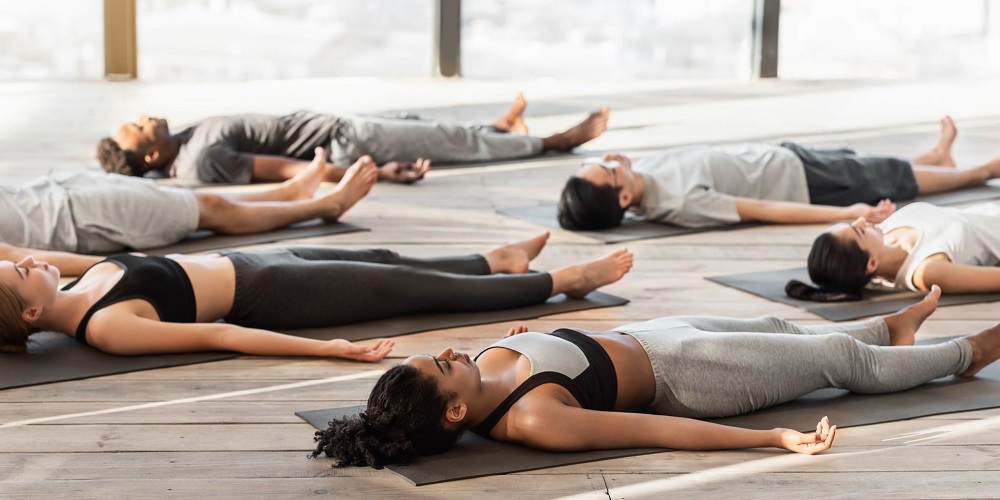

Sleep problems are no longer occasional issues in Singapore. They are becoming part of daily life for professionals, shift workers, parents, and anyone spending long hours under artificial light. Late dinners, constant screen exposure, and irregular schedules make it difficult for the body to switch off naturally. When sleep quality drops, energy, focus, and even emotional balance suffer.
Finding the right yoga studio near me can play a powerful role in restoring healthy sleep patterns. The key is not intensity or calorie burn, but timing, class design, breathwork, and nervous system regulation. Yoga, when practised correctly, helps the body relearn how to wind down after long, overstimulating days.
This article explores how yoga studios in Singapore support better sleep for modern lifestyles, without generic advice or beginner-level explanations.
Why Sleep Struggles Are Common in Singapore
Singapore’s environment presents unique challenges for sleep:
-
Extended screen use late into the evening
-
Shift-based work in healthcare, aviation, security, and logistics
-
Late meals and irregular eating times
-
High humidity that affects body temperature regulation
-
Mental overstimulation from work pressure and constant connectivity
Sleep issues are rarely caused by one factor alone. They are usually a combination of physical tension, elevated stress hormones, and disrupted circadian rhythms. Yoga studios that understand these realities structure classes to address the full picture, not just muscle tightness.
How Yoga Influences Sleep at a Physiological Level
Yoga supports sleep by influencing several interconnected systems in the body.
Nervous System Regulation
Poor sleep is often linked to an overactive sympathetic nervous system. Yoga encourages parasympathetic activation through:
-
Slow, controlled movement
-
Extended exhalations
-
Calm, predictable sequencing
This signals safety to the brain, allowing the body to transition out of alert mode.
Hormonal Balance
Consistent evening yoga practice can help regulate cortisol levels, which are often elevated due to stress and screen exposure. Lower cortisol in the evening supports melatonin release, a hormone essential for sleep onset.
Muscle and Joint Release
Physical discomfort can keep the body restless at night. Yoga gently releases:
-
Hip tension from prolonged sitting
-
Lower back compression
-
Shoulder and neck tightness linked to screen use
When the body is comfortable, the mind follows.
Why Studio-Based Practice Is More Effective Than Home Routines
Many people try to practise calming stretches at home but struggle with consistency or depth. Yoga studios provide structure and accountability that are difficult to replicate.
Studio practice offers:
-
A dedicated, screen-free environment
-
Professional guidance on pacing and breath
-
Sequences designed specifically for evening practice
-
Psychological separation from home distractions
In a city where homes are often compact and busy, stepping into a calm studio space can itself trigger relaxation.
Class Types That Support Better Sleep
Evening Slow Flow Classes
Slow flow classes focus on smooth transitions, gentle holds, and breath awareness. They avoid abrupt movements that elevate heart rate.
Benefits include:
-
Gradual release of accumulated tension
-
Improved body awareness before bedtime
-
A sense of closure after a long day
These classes suit professionals finishing work late.
Yin Yoga for Deep Rest
Yin yoga targets connective tissue and fascia, areas that store long-term tension. Poses are held for several minutes with minimal muscular effort.
Sleep-related benefits:
-
Reduced restlessness in the hips and spine
-
Improved circulation without stimulation
-
A meditative quality that quiets mental chatter
Yin yoga is particularly helpful for people who wake up frequently at night.
Restorative Yoga for Chronic Fatigue
Restorative yoga uses props to fully support the body, allowing complete muscular relaxation.
It supports sleep by:
-
Lowering heart rate and blood pressure
-
Encouraging diaphragmatic breathing
-
Creating a safe space for emotional decompression
This style suits those experiencing burnout or long-term sleep deprivation.
Breathwork Techniques Used in Sleep-Focused Classes
Breath is one of the fastest ways to influence sleep quality. Yoga studios incorporate breathing techniques that can be applied both during and after class.
Common practices include:
-
Lengthened exhalations to slow the nervous system
-
Nasal breathing to improve oxygen efficiency
-
Gentle breath retention to increase relaxation response
These techniques are practical tools students can use when lying awake at night.
Timing Yoga Classes for Sleep Success
Timing matters more than duration when it comes to sleep.
Yoga studios often recommend:
-
Avoiding intense or heated classes late at night
-
Attending calming classes 60 to 120 minutes before bedtime
-
Allowing time after class to eat lightly and hydrate
This approach aligns practice with natural circadian rhythms.
Supporting Shift Workers and Irregular Schedules
Shift workers face unique challenges because their sleep cycles are constantly disrupted. Yoga studios that cater to this group understand the need for flexibility.
Supportive strategies include:
-
Midday restorative sessions for night-shift workers
-
Gentle morning classes to prepare for daytime sleep
-
Breath-focused practices that help reset the body clock
Yoga becomes a stabilising routine when schedules are unpredictable.
Heat, Humidity, and Sleep Quality
Singapore’s climate plays a significant role in sleep. Excessive heat before bedtime can interfere with the body’s natural cooling process.
Sleep-friendly yoga classes:
-
Maintain moderate room temperatures
-
Avoid long holds that cause overheating
-
Emphasise hydration awareness
This ensures relaxation without physical stress.
Mental Decompression After Screen Exposure
Screens overstimulate the brain and suppress melatonin production. Yoga studios counter this by:
-
Keeping lighting soft and warm
-
Encouraging inward focus rather than visual engagement
-
Limiting external distractions during class
This creates a transition away from digital stimulation.
Creating a Sustainable Evening Routine
Yoga works best for sleep when integrated into a consistent routine rather than used as a quick fix.
A realistic routine might include:
-
Two evening yoga sessions per week
-
One restorative or yin class on weekends
-
Simple breathwork on non-class days
Consistency trains the body to associate certain cues with rest.
How Yoga Studios Educate Students About Sleep Hygiene
Beyond movement, quality studios educate students on supportive habits such as:
-
Reducing screen use before bed
-
Adjusting meal timing after evening classes
-
Creating a calming sleep environment at home
This holistic approach enhances long-term results.
The Value of Skilled Instruction
Sleep-focused yoga requires sensitivity. Instructors guide students to:
-
Avoid overstretching when fatigued
-
Recognise signs of overstimulation
-
Modify poses for comfort and safety
This personalised guidance builds trust and effectiveness.
A Calm Space Designed for Evening Practice
A sleep-supportive studio environment includes:
-
Quiet transitions between classes
-
Comfortable props for relaxation
-
An atmosphere that encourages slowing down
These details reinforce the body’s readiness for rest.
One studio that incorporates these principles into its approach is Yoga Edition, where class design and teaching style reflect the needs of modern Singapore lifestyles.
FAQ: Real-Life Questions About Yoga and Sleep
Q: Can yoga really help if my sleep problems are caused by stress, not pain?
A: Yes. Stress activates the nervous system, which directly affects sleep. Yoga helps downregulate stress responses through breath and controlled movement, even when physical discomfort is minimal.
Q: Is it okay to practise yoga late at night after a long shift?
A: Gentle, slow-paced classes are suitable late at night. Avoid intense or fast classes close to bedtime as they may increase alertness.
Q: What if I feel sleepy during class but alert again when I get home?
A: This can happen if stimulation returns too quickly. Keeping lights low, avoiding screens, and maintaining calm breathing after class helps preserve the relaxed state.
Q: How long before bed should I stop using my phone if I attend evening yoga?
A: Ideally, limit screen use at least 30 minutes before sleep. Pairing yoga with reduced screen exposure significantly improves results.
Q: Can yoga replace medication for sleep issues?
A: Yoga can support better sleep but should not replace prescribed treatment. It works best as a complementary approach alongside medical guidance.
Better sleep is not about forcing rest. It is about creating the right conditions for the body and mind to let go. A thoughtfully structured yoga practice can become a powerful ally in navigating Singapore’s demanding schedules while protecting your rest and wellbeing.
Comments are closed.