
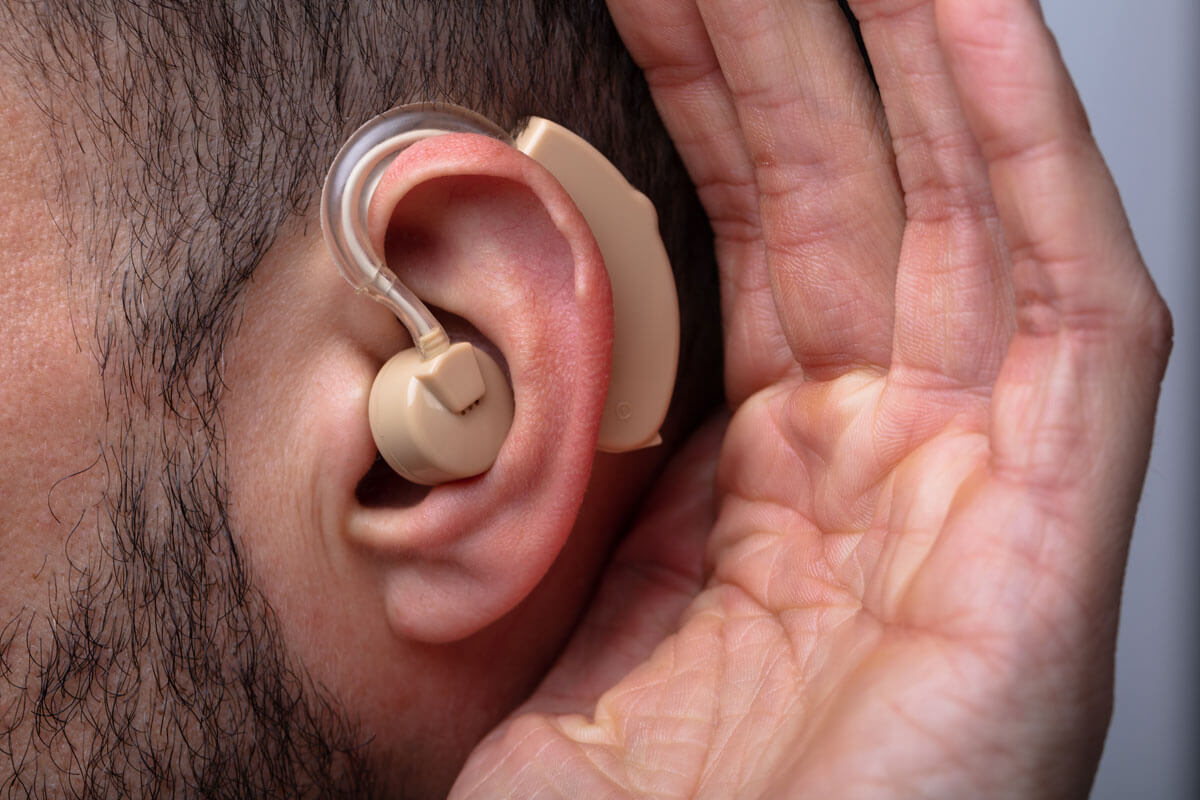

Access to hearing support has expanded significantly in recent years, with over the counter hearing aids offering a more accessible option for individuals experiencing mild to moderate hearing loss. Unlike traditional prescription devices, these hearing aids can be purchased directly without the need for a clinical appointment or specialist fitting. This shift has made hearing technology more widely available, but it also raises important questions about how these devices work and who they are best suited for.
Over-the-counter hearing aids are designed to amplify sound in a way that helps users hear more clearly in everyday environments. They function by using microphones to capture surrounding sounds, processing those sounds through built-in digital systems, and then delivering the enhanced audio into the ear. While this basic principle is similar to that of prescription hearing aids, over-the-counter models are typically pre-programmed or offer user-controlled settings rather than being professionally customised.
One of the defining features of over-the-counter hearing aids is their ease of access. They can often be purchased online, in pharmacies, or through retail outlets, making them a convenient option for those who may not yet be ready to seek clinical support. This accessibility has helped reduce barriers for many individuals, particularly those who have been hesitant to explore hearing solutions due to cost or time constraints.
The technology within these devices has improved considerably, allowing for more refined sound processing than earlier consumer-level products. Many over-the-counter hearing aids now include features such as noise reduction, feedback suppression, and adjustable volume levels. Some models also connect to smartphone apps, enabling users to customise settings based on their preferences or the environment they are in. This level of control allows users to make adjustments in real time, improving their listening experience without the need for professional intervention.
Despite these advancements, over-the-counter hearing aids are generally intended for specific types of hearing loss. They are most suitable for individuals with mild to moderate hearing difficulties, where sound amplification alone can provide meaningful improvement. For more complex or severe hearing loss, prescription devices that are tailored to the individual’s hearing profile may be more appropriate.
Another important aspect to consider is the fitting process. Traditional hearing aids are typically customised to fit the user’s ear and calibrated based on detailed hearing assessments. Over-the-counter options, by contrast, are designed to fit a wider range of users. While many models include different ear tip sizes to improve comfort, they do not offer the same level of personalisation. As a result, achieving the ideal fit and sound quality may require some trial and adjustment on the part of the user.
Cost is often a key reason why people explore over-the-counter hearing aids. These devices are generally more affordable than prescription models, making them an attractive option for those looking to manage hearing loss without a significant financial commitment. However, the lower cost can also reflect differences in customisation, support, and advanced features. Understanding these trade-offs helps ensure that expectations remain realistic.
Ease of use is another factor that contributes to their appeal. With straightforward controls and simple setup processes, many over-the-counter hearing aids are designed to be user-friendly. This makes them accessible to individuals who prefer a more independent approach to managing their hearing needs. At the same time, it is important to recognise that some users may benefit from professional guidance, particularly if they are new to hearing aids or unsure about their level of hearing loss.
Looking at the broader picture, over-the-counter hearing aids represent an important step toward making hearing support more widely available. They provide a practical option for those with mild to moderate hearing challenges, offering convenience and flexibility without the need for clinical involvement. By understanding how these devices work and what they are designed to achieve, individuals can make more informed decisions about whether this approach aligns with their needs and expectations.
Comments are closed.