
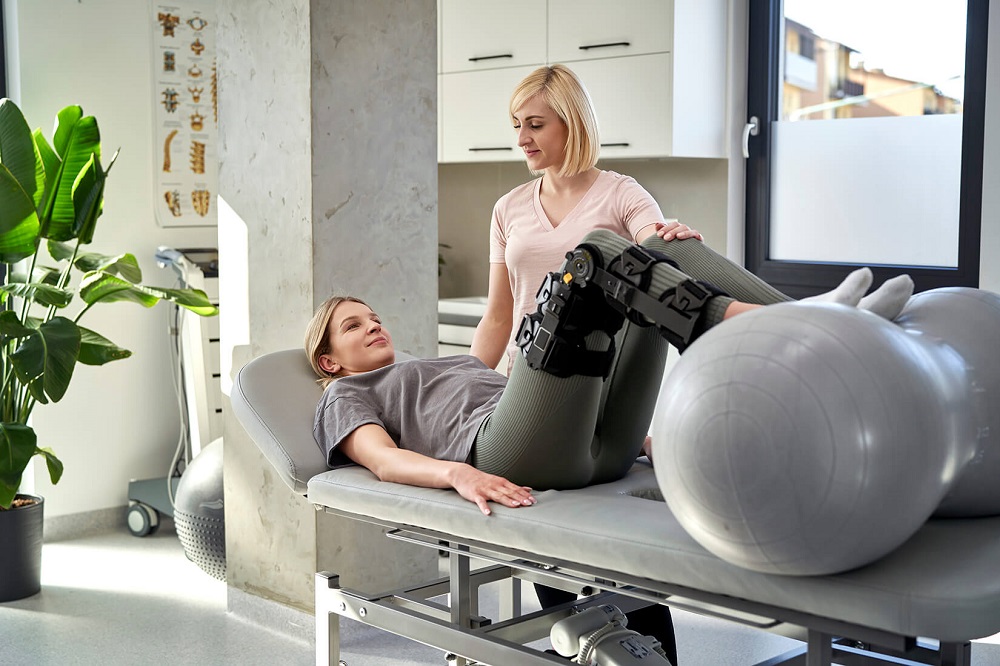

Physical recovery is a multifaceted journey that bridges the gap between injury or intense exertion and a return to peak performance. Whether you are an athlete recovering from a torn ligament, a patient post-surgery, or an individual dealing with chronic musculoskeletal strain, the speed and quality of your recovery depend on a strategic combination of physiological rest, targeted movement, and nutritional support. In the modern era of sports science and physical therapy, the goal is no longer just to wait for the body to heal itself, but to actively facilitate a environment where cellular repair can thrive.
Effective rehabilitation is not a linear process. It requires a deep understanding of the body’s inflammatory response and a commitment to progressive loading. By implementing evidence-based strategies, individuals can significantly reduce downtime, minimize the risk of reinjury, and emerge with a body that is more resilient than it was before the setback.
The Foundation of Recovery: Understanding the Inflammatory Phase
The initial stage of any physical recovery is the inflammatory phase. While inflammation often carries a negative connotation, it is a vital biological signal that initiates the healing process. During this window, which typically lasts between 24 and 72 hours, the body sends white blood cells to the site of injury to clear out damaged debris.
For years, the standard protocol was RICE (Rest, Ice, Compression, Elevation). However, modern physical therapy has shifted toward the PEACE and LOVE protocol. This updated approach emphasizes that while early protection and elevation are necessary, total immobilization can actually delay healing by reducing blood flow. Instead, controlled compression and a focus on avoiding anti-inflammatory medications—which can sometimes stunt the natural signaling process—are prioritized in the earliest days of treatment.
Progressive Loading and Active Rehabilitation
Once the acute pain subsides, the transition to active rehabilitation is crucial. The human body adapts to the stresses placed upon it, a principle known as the SAID principle (Specific Adaptation to Imposed Demands). If a limb is kept in a cast for too long, the muscles atrophy and the bones lose density.
The Role of Controlled Stress
To speed up recovery, one must introduce “optimal loading.” This involves exercises that challenge the injured tissue without causing further damage. For example, if recovering from a knee injury, initial movements might involve isometric contractions—where the muscle tenses without the joint moving—before progressing to full range-of-motion exercises.
Neuromuscular Re-education
Rehab is as much about the brain as it is about the muscles. Injuries often disrupt the communication pathways between the central nervous system and the affected limb. Incorporating balance boards, proprioception drills, and coordination tasks ensures that the brain regains its ability to stabilize joints during unpredictable movements.
Advanced Modalities for Tissue Repair
Modern clinics now utilize several technological tools to augment the body’s natural healing abilities. These modalities are designed to increase localized circulation and stimulate mitochondrial activity within the cells.
-
Photobiomodulation (Red Light Therapy): This involves exposing the skin to specific wavelengths of red or near-infrared light. This energy is absorbed by the mitochondria, increasing the production of ATP (adenosine triphosphate), which fuels faster cellular repair.
-
Neuromuscular Electrical Stimulation (NMES): By using electrical pulses to cause muscle contractions, NMES prevents atrophy in patients who are unable to perform traditional weight-bearing exercises. It also helps in flushing out metabolic waste from the tissue.
-
Instrument Assisted Soft Tissue Mobilization (IASTM): Tools made of stainless steel or specialized plastic are used to “scrape” the skin over a muscle. This creates micro-trauma that restarts the healing process in chronic injuries where the tissue has become stagnant or fibrotic.
The Nutritional Pillar of Healing
You cannot out-train or out-rehab a poor diet, especially when the body is in a state of repair. Recovery demands a high metabolic cost, meaning your caloric needs may actually increase during rehabilitation even if your activity level has decreased.
Protein Intake and Muscle Preservation
Protein is the literal building block of muscle and connective tissue. During recovery, aiming for a higher protein intake—typically between 1.6 to 2.2 grams per kilogram of body weight—helps prevent muscle wasting. Collagen supplementation, specifically when paired with Vitamin C, has shown promise in strengthening tendons and ligaments, which are notoriously slow to heal due to their limited blood supply.
Micronutrients and Anti-Inflammatory Foods
Micronutrients such as Zinc and Vitamin A are essential for skin and tissue integrity. Furthermore, incorporating omega-3 fatty acids from fish oil or flaxseed can help manage systemic inflammation, ensuring that the body remains in a “pro-healing” state rather than a chronic inflammatory state.
Sleep: The Most Powerful Recovery Tool
The most effective rehabilitation tool available is also the most frequently overlooked: high-quality sleep. During deep sleep (REM and slow-wave sleep), the body releases the vast majority of its growth hormone. This hormone is responsible for tissue growth, bone repair, and fat metabolism.
A lack of sleep increases levels of cortisol, a stress hormone that breaks down tissues and inhibits the immune system. For those in a rehabilitation phase, aiming for 8 to 9 hours of sleep per night is not a luxury; it is a clinical requirement. Creating a cool, dark environment and avoiding screens an hour before bed can drastically improve the quality of this restorative window.
Psychological Resilience and Recovery
The mental aspect of physical recovery is often the deciding factor in how quickly someone returns to their previous activity levels. Chronic pain or long-term injury can lead to “kinesiophobia,” which is the fear of movement. This fear often leads to compensatory movements that cause secondary injuries in other parts of the body.
Practicing mindfulness, setting small and achievable “micro-goals” during rehab, and maintaining a positive outlook have been shown to lower the perception of pain. When a patient feels in control of their recovery, their nervous system is less likely to remain in a state of high alert, allowing for smoother movement patterns and faster progress.
Hydration and Lymphatic Drainage
Water is the medium through which all biological repairs occur. Dehydration leads to a decrease in blood volume, which means fewer nutrients reach the injury site and metabolic waste is removed more slowly. Furthermore, the lymphatic system, which is responsible for removing the “trash” from an injury site, does not have a pump like the heart. It relies on hydration and movement. Low-intensity activities like walking or gentle stretching, combined with adequate water intake, keep the lymphatic fluid moving, which reduces swelling and improves joint mobility.
Conclusion
Faster physical recovery is the result of a holistic system that respects the body’s biological timelines while aggressively supporting its needs. By combining the latest in physical therapy techniques with foundational pillars like sleep, nutrition, and psychological fortitude, you can navigate the path from injury to health with efficiency. Remember that every body is unique; while these principles provide a roadmap, listening to the signals your body sends is the ultimate guide to a successful rehabilitation.
Frequently Asked Questions
How do I know the difference between “good” soreness and “bad” pain during rehab?
Good soreness, often called Delayed Onset Muscle Soreness (DOMS), typically feels like a dull ache or tightness that peaks 24 to 48 hours after exercise and improves with movement. Bad pain is usually sharp, stabbing, or localized to a specific joint. If the pain causes you to limp, prevents sleep, or does not subside with rest, it is a sign that you have exceeded your current loading capacity.
Can heat therapy be used immediately after an acute injury?
Generally, no. Heat increases blood flow to the area, which can exacerbate swelling and inflammation in the first 48 hours. Heat is much more effective during the later stages of recovery to relax tight muscles and improve flexibility before a rehabilitation session.
Is it better to stay completely still if I have a back injury?
In almost all cases, total bed rest is detrimental for back pain. Prolonged inactivity leads to stiffness and muscle weakness in the core. Walking and gentle, pain-free mobility exercises are usually recommended to maintain blood flow to the spinal discs and support the surrounding musculature.
How much does smoking or alcohol consumption affect recovery speed?
Both have a significant negative impact. Smoking constricts blood vessels and reduces the amount of oxygen reaching the tissues, which is known to delay bone and skin healing. Alcohol interferes with protein synthesis and disrupts sleep cycles, both of which are critical for the repair of muscle fibers.
Why is my recovery taking longer than the standard clinical timeline?
Timelines are averages, not guarantees. Factors such as age, previous injury history, stress levels, and even genetics play a role. If your progress has stalled, it may be time to reassess your nutritional intake or sleep quality, as these “hidden” factors often bottleneck the recovery process.
Should I wear a brace or support during my entire rehabilitation?
Braces are excellent for providing initial stability and confidence, but they should be phased out as soon as it is safe to do so. Over-reliance on a brace can prevent the stabilizing muscles from getting stronger, leading to a functional weakness that may cause the injury to recur once the brace is removed.
Does stretching prevent all types of sports injuries?
While flexibility is important, stretching alone does not prevent injuries. Most injuries occur when a muscle is asked to handle more force than it is strong enough to absorb. Therefore, strength training and eccentric loading are generally more effective at injury prevention than static stretching alone.
Comments are closed.