
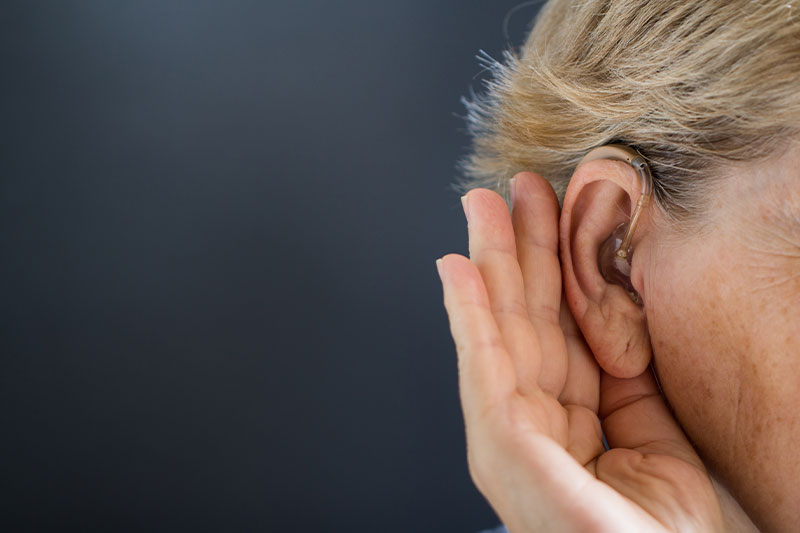

Understanding what triggers hearing loss allows you to take protective action before irreversible auditory damage occurs. Hearing loss affects millions of people worldwide, developing either suddenly or progressing gradually over several years. While many individuals associate auditory decline purely with aging, complex biological factors, environmental hazards, and everyday habits play significant roles. Recognizing primary risk factors helps you safeguard your hearing health and seek timely medical intervention. If you experience a sudden loss of hearing in ear, it is critical to seek immediate medical evaluation to rule out conditions like sudden sensorineural hearing loss or a simple blockage.
High-Decibel Noise Exposure and Acoustic Trauma
Repeated exposure to loud sound waves is one of the leading causes of preventable auditory damage worldwide. Heavy machinery, concerts, personal audio devices at high volumes, and firearms generate sound vibrations strong enough to destroy delicate structures in the inner ear. Microscopic hair cells inside the cochlea convert sound vibrations into electrical signals for the brain; once these fragile sensory cells suffer heavy damage, they cannot regenerate.
Acoustic trauma occurs either through a single intense burst of sound, such as an explosion, or through continuous environmental noise over time. Listening to music through headphones above safe volume thresholds gradually degrades sound perception without causing immediate pain. Wearing certified ear protection in high-decibel environments stops cumulative mechanical damage and preserves auditory sensitivity.
Natural Aging and Sensorineural Degeneration
Age-related hearing loss, medically known as presbycusis, occurs gradually as inner ear structures naturally wear down over time. Decades of processing sound waves take a cumulative toll on the auditory nerve and cochlear hair cells. This gradual decline typically affects both ears equally, making high-pitched sounds and speech comprehension in noisy rooms increasingly difficult to perceive.
Presbycusis develops so slowly that many individuals fail to recognize their declining hearing abilities during initial stages. Subtle symptoms include frequently asking others to repeat themselves, turning up television volumes, or struggling to hear consonants during everyday conversations. While aging is inevitable, regular hearing evaluations help track auditory changes and determine when assistive devices can restore clear communication.
Physical Blockages and Conductive Interference
Conductive hearing loss happens when physical obstructions prevent sound waves from traveling efficiently through the outer or middle ear. Unlike inner ear nerve damage, conductive issues frequently respond well to medical clearing or minor procedures. Impacted earwax accumulation is a very common, easily treatable cause of sudden auditory muffledness.
Fluid buildup from middle ear infections, allergies, or blocked Eustachian tubes also creates temporary conductive impairment. Structural abnormalities, such as a perforated eardrum or abnormal bone growth inside the middle ear, disrupt the mechanical transmission of sound vibrations. Identifying these physical obstacles through a medical examination allows physicians to restore proper sound conduction through targeted treatments.
Ototoxic Medications and Medical Conditions
Certain pharmaceutical drugs and underlying systemic health conditions directly impair delicate auditory nerve pathways. Ototoxic medications contain chemical compounds that damage inner ear structures, leading to temporary or permanent hearing degradation. High doses of aspirin, specific antibiotics, chemotherapy agents, and heavy-duty loop diuretics are well-documented ototoxic substances.
Systemic health conditions that compromise blood circulation also impact inner ear performance significantly. The delicate hair cells inside the cochlea require a constant supply of oxygenated blood to function correctly. Diabetes, high blood pressure, and cardiovascular disease are examples of chronic health conditions that limit blood supply to the head, hastening the death of auditory cells and causing progressive hearing loss.
Conclusion
Understanding the diverse causes of hearing loss empowers you to make smarter choices regarding sound exposure, ear hygiene, and overall health management. Whether addressing environmental noise, managing health conditions, or treating physical blockages, early detection remains key to protecting your hearing quality. Paying close attention to early warning signs and consulting an audiologist ensures your ears receive proper care throughout your life.
Comments are closed.