
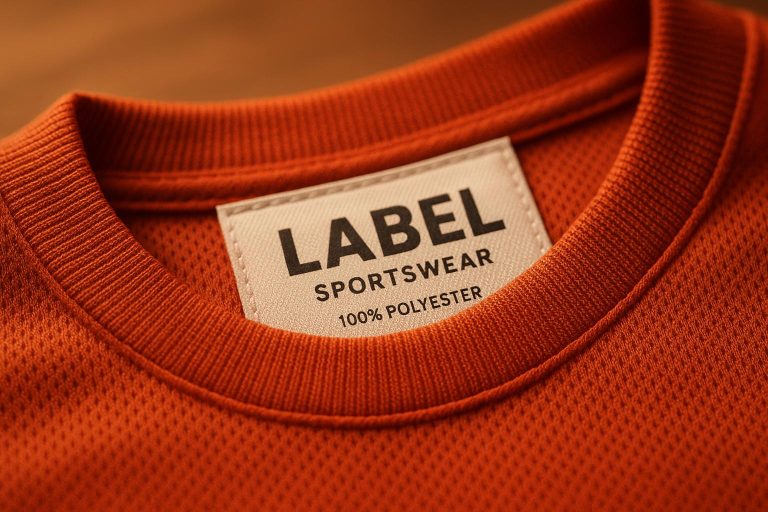

Buying sportswear can feel confusing when product descriptions are filled with unfamiliar technical terms. Labels mention fabric composition, denier, moisture-wicking properties, compression levels, and ultraviolet protection. While these details may seem complicated at first, understanding them can make it easier to compare products and choose clothing suited to different activities.
For beginners, learning to read sportswear labels is a useful starting point. Instead of relying entirely on appearance or brand descriptions, shoppers can use technical information to understand what a garment is designed to offer.
Start With the Fabric Composition
One of the first details to check is the fabric composition. This label explains which fibers are used to make the garment and, in most cases, their respective percentages.
Common materials in performance clothing include:
- Nylon: Known for its strength, smooth texture, and resistance to everyday wear.
- Polyester: Frequently used in athletic clothing because it is lightweight and can be engineered to manage moisture.
- Elastane: A stretch fiber that helps garments fit closely and retain their shape.
Many sportswear products combine these materials to balance flexibility, durability, and comfort. For example, a nylon and elastane blend can provide a close-fitting garment with considerable stretch. The best composition depends on the garment’s intended purpose, so a higher percentage of one fiber does not automatically indicate better quality.
Learn What Denier Means
Denier is a measurement used to describe the linear mass of a fiber or yarn. In simple terms, it provides an indication of how fine or heavy the yarn is. A higher denier generally means a heavier yarn, while a lower denier indicates a finer one.
This measurement is particularly useful when comparing compression garments that use different fabric constructions across specific areas.
For instance, DFND’s Active Ax compression arm sleeve combines lightweight 70-denier fabric with 105-denier elbow inserts. This illustrates how manufacturers can use different fabric weights within one garment to address different construction requirements.
However, denier alone does not determine softness, durability, or overall performance. Fiber type, knitting technique, and garment design also influence the finished product.
Understand Compression and Graduated Construction
Compression is another term commonly found on athletic apparel labels. Compression garments are designed to fit closely against the body, but their construction and pressure characteristics can vary.
Some products specify compression in millimeters of mercury (mmHg), which is a unit used to measure pressure. Others describe compression through their fabric structure without providing a numerical pressure rating.
Graduated compression refers to a pressure pattern that changes along the length of a garment. In many leg garments, pressure is designed to be greater near the ankle and gradually decrease higher up the leg.
It is important not to assume that every close-fitting sleeve has the same compression level. Beginners should check the product description, sizing information, and intended use before making a purchase. For compression garments intended to address a medical condition, professional healthcare advice is appropriate.
Look for Moisture-Wicking Information
During exercise, perspiration can make clothing feel uncomfortable. This is why many sportswear manufacturers highlight moisture-wicking properties in their product descriptions.
Moisture-wicking fabric is designed to move sweat away from the skin toward the fabric’s outer surface, where it can evaporate. This is different from simply absorbing moisture. A garment may also be described as quick-drying, which refers to how rapidly it dries after becoming wet.
These terms can help shoppers compare performance fabrics, particularly when selecting clothing for running, gym sessions, or outdoor activities. However, the actual experience depends on fabric construction, environmental conditions, and the intensity of exercise.
Check UV Protection Ratings
Sportswear designed for outdoor activities may include a UPF rating. UPF stands for Ultraviolet Protection Factor and indicates how effectively a fabric blocks ultraviolet radiation.
For example, UPF 50 means that approximately one-fiftieth of the ultraviolet radiation passes through the fabric under standardized testing conditions. It is a useful specification for people who spend time exercising outdoors.
Nevertheless, fabric-based protection only covers the areas protected by the garment. Exposed skin still requires suitable sun protection, and coverage can change as clothing shifts during movement.
Recognize Antibacterial and Odor-Control Claims
Some performance garments feature antimicrobial or antibacterial treatments. These are designed to address the growth of certain microorganisms on fabric and may help manage odor.
However, the terms used in product descriptions can refer to different technologies. Shoppers should check whether a treatment is permanent, how it works, and whether the manufacturer provides specific information about its performance.
For example, DFND identifies FUZE technology as an antimicrobial treatment used in its compression products. Its product descriptions also highlight moisture management and UPF protection. These details help shoppers understand the features included in particular garments rather than assuming that every compression product offers the same benefits.
Do Not Ignore Sizing and Care Labels
Technical specifications are only part of the buying decision. Sizing and garment care instructions are equally important.
Compression apparel should fit securely without causing discomfort or restricting normal movement. Always compare body measurements with the manufacturer’s size chart instead of selecting a size based only on your usual clothing size.
Care labels also explain how to maintain the garment. DFND’s women’s compression sleeve collection, for example, includes products with instructions recommending cold-water washing, cool tumble drying or air drying, and avoiding bleach and fabric softeners.
Following these instructions can help preserve fabric condition and elasticity over time.
Conclusion
Technical sportswear labels become easier to understand once their terminology is familiar. Fabric composition explains the materials, denier describes yarn weight, compression information clarifies garment construction, and UPF ratings indicate ultraviolet protection.
For beginners exploring options such as DFND women’s compression sleeves, these details provide a practical way to compare products before purchasing. Read the full description, check the sizing chart, and consider the garment’s intended use. A little label knowledge can make sportswear shopping more straightforward and help you choose apparel based on useful information rather than appearance alone.
Comments are closed.