
Enhancing Cognitive Longevity: A Comprehensive Guide to Supplements for Brain and Memory Health

The human brain is an incredibly demanding organ, consuming roughly 20 percent of the bodys total energy despite accounting for only 2 percent of its weight. As we age, the physiological processes that support cognitive function—such as neurotransmitter synthesis, cerebral blood flow, and cellular repair—can begin to decline. This shift often manifests as occasional forgetfulness, decreased mental clarity, or a slower processing speed.
In response, the field of nutritional neuroscience has identified specific compounds that may support brain health. While no pill can replace the foundational benefits of sleep, exercise, and a balanced diet, certain supplements offer targeted support for memory, focus, and long-term neuroprotection. This article explores the most evidence-based supplements currently available for cognitive enhancement and brain longevity.
The Foundation of Brain Health: Omega-3 Fatty Acids
Perhaps the most well-researched supplements for the brain are Omega-3 fatty acids, specifically Eicosapentaenoic acid (EPA) and Docosahexaenoic acid (DHA). These polyunsaturated fats are structural components of neuronal cell membranes.
-
DHA and Structure: DHA is particularly concentrated in the gray matter of the brain. It maintains the fluidity of cell membranes, which is essential for effective signaling between neurons.
-
EPA and Inflammation: While DHA is structural, EPA is primarily associated with reducing neuroinflammation. Chronic inflammation is a known contributor to cognitive decline and mood disorders.
-
Cognitive Benefits: Clinical studies suggest that consistent intake of Omega-3s can improve executive function and memory in older adults, particularly those who exhibit early signs of age-related cognitive impairment.
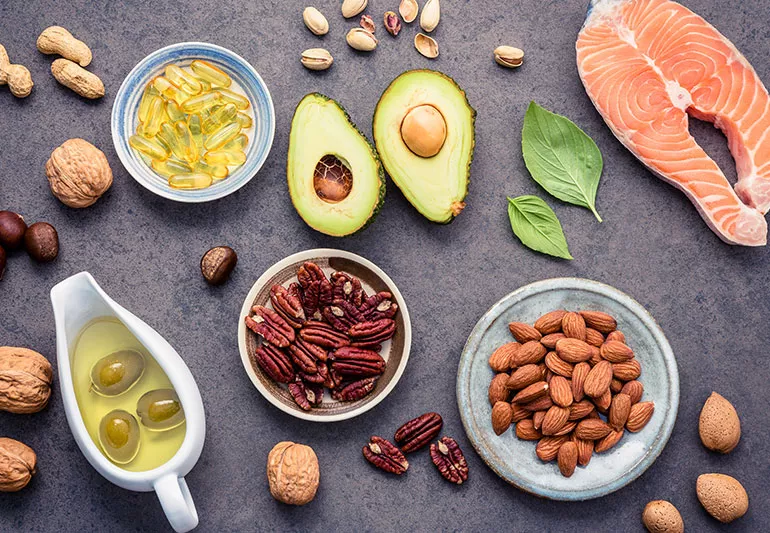
For those who do not consume fatty fish like salmon or mackerel at least twice a week, a high-quality fish oil or algae-based supplement is often recommended to maintain optimal brain levels of these essential fats.
Phosphatidylserine: Supporting Cellular Communication
Phosphatidylserine is a phospholipid that plays a vital role in maintaining the integrity of brain cell membranes. It is particularly important for the function of neurotransmitters and the efficiency of the receptors that receive these chemical signals.
As we age, the levels of phosphatidylserine in the brain naturally decrease. Supplementation has been shown in various clinical trials to support:
-
Short-term memory recall
-
Concentration and focus during demanding tasks
-
The ability to learn and retain new information
Historically, phosphatidylserine was derived from bovine sources, but modern supplements are typically made from soy or sunflower lecithin, which are considered safer and equally effective.
The Power of Adaptogens: Bacopa Monnieri and Rhodiola Rosea
Adaptogens are botanical substances that help the body and brain manage stress. In the context of cognitive health, two plants stand out for their ability to enhance mental performance under pressure.
Bacopa Monnieri
This herb has been used for centuries in traditional medicine. Modern research confirms that its active compounds, known as bacosides, help repair damaged neurons and improve synaptic communication. Unlike caffeine, which provides an immediate jolt, Bacopa Monnieri works cumulatively. Most studies indicate that it takes eight to twelve weeks of daily supplementation to see significant improvements in memory retention and information processing speed.
Rhodiola Rosea
Rhodiola is primarily known for its ability to reduce mental fatigue. It works by modulating the bodys stress response system. By preventing the burnout associated with prolonged mental exertion, Rhodiola allows individuals to maintain a high level of cognitive performance even during periods of high stress or sleep deprivation.
B-Vitamins and Homocysteine Regulation
The B-vitamin complex, particularly B6, B9 (folate), and B12, is essential for brain health. These vitamins are cofactors in the production of neurotransmitters like serotonin and dopamine.
One of their most critical roles is the regulation of homocysteine. High levels of this amino acid in the blood are linked to an increased risk of brain atrophy and cognitive decline. By facilitating the conversion of homocysteine into other beneficial molecules, B-vitamins act as a protective shield for the brain.
-
B12 Deficiency: It is important to note that Vitamin B12 deficiency is common among older adults and vegetarians. A deficiency can lead to brain fog, confusion, and memory loss that mimics more serious neurological conditions.
-
Bioavailability: When choosing a supplement, look for methylated forms like methylcobalamin (B12) and methylfolate (B9), as these are more easily utilized by the body.
Acetyl-L-Carnitine and Mitochondrial Energy
Acetyl-L-Carnitine (ALCAR) is an amino acid that helps transport fatty acids into the mitochondria, the powerhouses of the cells, to be burned for energy. Because the brain is so energy-dependent, efficient mitochondrial function is crucial.
ALCAR is unique because it can cross the blood-brain barrier. Research suggests it may:
-
Increase energy production in brain cells.
-
Provide antioxidant protection against oxidative stress.
-
Boost the production of acetylcholine, a primary neurotransmitter involved in learning and memory.
Antioxidant Protection with Ginkgo Biloba and Resveratrol
The brain is highly susceptible to oxidative stress caused by free radicals. Antioxidants help neutralize these molecules before they can damage brain cells.
Ginkgo Biloba
Extracted from one of the oldest living tree species, Ginkgo is believed to improve cognitive function by increasing blood flow to the brain. Improved circulation ensures that brain cells receive a steady supply of oxygen and glucose. While the evidence is mixed for healthy young adults, it remains a popular choice for supporting memory in the elderly.
Resveratrol
Found in the skin of red grapes, resveratrol is a potent antioxidant. It is thought to protect the hippocampus, the part of the brain associated with memory, from age-related deterioration. It may also improve insulin sensitivity in the brain, which is vital for maintaining steady cognitive energy levels.
Magnesium L-Threonate: The Brains Mineral
Magnesium is involved in over 300 biochemical reactions in the body, but many forms of magnesium do not effectively reach the brain. Magnesium L-Threonate was specifically developed to cross the blood-brain barrier.
Research indicates that increasing magnesium levels in the brain can enhance synaptic plasticity. This is the ability of the brain to change and grow in response to new information, which is the biological basis for learning and memory. Users often report improved sleep quality and a reduction in anxiety, both of which indirectly support better cognitive function.
Strategic Implementation of Brain Supplements
When considering supplements for brain health, it is essential to approach them as a targeted addition to a healthy lifestyle. Consistency is key, as many cognitive enhancers require time to build up in the system before their effects become apparent. Furthermore, the quality of supplements matters; look for products that have been third-party tested for purity and potency to ensure they are free from heavy metals or contaminants.
Frequently Asked Questions
Can these supplements replace prescription medications for memory loss?
Supplements are intended to support healthy brain function and are not replacements for medical treatments prescribed for conditions like Alzheimers or clinical dementia. Always consult a physician before making changes to a prescribed medical regimen.
How long does it typically take to feel the effects of a brain supplement?
This depends on the specific ingredient. Stimulant-like supplements such as Rhodiola may work within an hour, while structural or cumulative supplements like Omega-3s and Bacopa Monnieri usually require two to three months of consistent use for measurable results.
Are there specific side effects associated with high-dose Ginkgo Biloba?
Ginkgo Biloba has blood-thinning properties. It should be used with caution by individuals taking anticoagulant medications or those scheduled for surgery, as it may increase the risk of bleeding.
Is it safe to stack multiple brain supplements together?
Many people combine various supplements, known as stacking, to target different pathways of brain health. However, this increases the risk of interactions. It is best to introduce one new supplement at a time to monitor your bodys reaction before adding another.
Does caffeine enhance the effectiveness of other cognitive supplements?
Caffeine can provide a synergistic effect when paired with certain amino acids like L-Theanine. This combination often results in heightened focus and alertness without the jitters or energy crashes associated with caffeine alone.
Can children take these brain supplements to help with school performance?
Most research on cognitive supplements focuses on adults or the elderly. Because a childs brain is still developing, you should never provide brain-boosting supplements to minors without the direct supervision and approval of a pediatrician.
Why is it important for brain supplements to cross the blood-brain barrier?
The blood-brain barrier is a protective membrane that prevents many substances in the blood from entering the central nervous system. If a supplement cannot cross this barrier, it cannot directly affect brain chemistry or neuronal health, rendering it ineffective for cognitive purposes.
Comments are closed.