
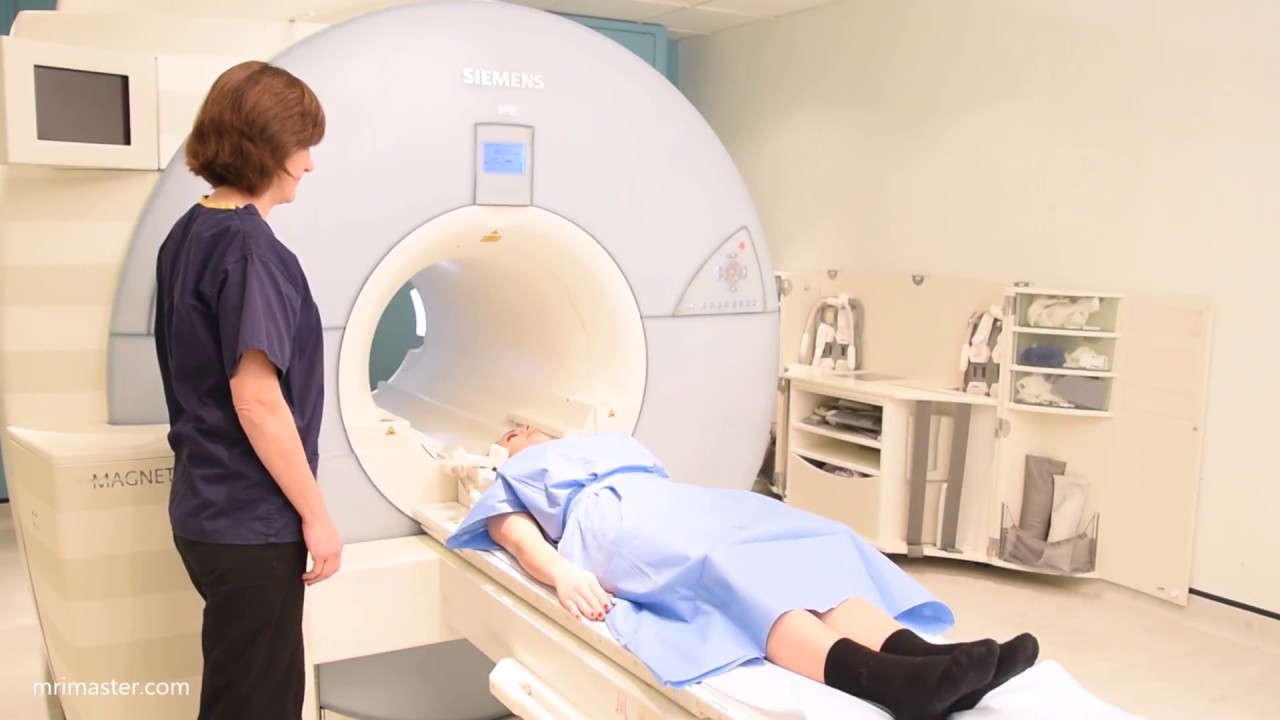

Magnetic Resonance Imaging (MRI) can feel unfamiliar for patients who are walking into the imaging room for the first time. The scanner may look large, the sounds can seem intense, and the safety questions may feel more detailed than expected. Kasey McKillip, a seasoned MRI technologist with over a decade of hands-on experience in medical imaging, recognizes that preparation is not only about the machine. It is also about helping patients understand what is happening before the scan begins. Ksey McKillip emphasizes that clear preparation can make the MRI experience feel more manageable for patients.
That preparation can make a meaningful difference for people who feel nervous, unsure, or uncomfortable in medical settings. MRI professionals help patients move through each step with clear instructions, safety checks, and practical support. Their goal is to help patients feel informed enough to take part in the exam with less confusion.
Starting With a Clear Explanation
Before the scan begins, MRI professionals often explain what the appointment involves. They may describe the scanner, the table, the sounds, and the need to stay still. For a patient who has only seen an MRI machine in photos or heard about it from someone else, this first explanation can help the process feel less mysterious.
Clear explanations also give patients a better sense of control. They may not know every technical detail, but they can understand what happens first, what happens next, and how long certain parts may take. A few plain-language details can help a patient settle into the appointment rather than feeling rushed into the scanner.
Reviewing Safety Questions Carefully
MRI safety screening is one of the most important parts of preparation. Because the scanner uses a strong magnetic field, patients are asked about implants, pacemakers, surgical clips, metal fragments, medication patches, and past injuries involving metal. These questions are not meant to scare patients. They help the imaging team check for possible risks.
Patients may answer similar questions more than once, which can feel repetitive. MRI professionals repeat these checks because details can be missed, forgotten, or misunderstood. A patient who remembers a past procedure or brings up a device card during screening may help the team make safer choices before the scan starts.
Making the Patient More Comfortable
Comfort matters before the scan starts. Lying still can be difficult if a patient has pain, stiffness, or anxiety. MRI professionals may use cushions, pads, blankets or positioning supports to help the patient settle onto the table. These small adjustments can make the scan easier to tolerate.
This part of the preparation is both practical and personal. Kasey McKillip’s patient-centered approach reflects how small choices can affect the patient experience. A pillow under the knees, a blanket over the body, or a brief pause before the table moves can help patients feel more supported before the loudest part of the exam begins.
Giving Patients a Way to Communicate
One of the most reassuring parts of preparation is knowing how to communicate during the scan. Patients are often given a call button or a squeeze bulb that lets the technologist know they need help. The technologist may also speak through an intercom from the control room.
This connection can be especially helpful for patients who feel anxious in enclosed spaces. Knowing that someone is nearby and paying attention can make the scan feel less isolating. MRI professionals explain how communication works before the table moves, so patients do not feel trapped or unsure once the exam starts.
Supporting Patients with Anxiety
Anxiety before an MRI is common. Some patients worry about the enclosed space. Others are concerned about pain, noise, or the results. MRI professionals often prepare patients by giving simple coping suggestions, such as closing their eyes before entering the scanner, focusing on breathing, or listening to music when available.
A calm tone can matter as much as the words themselves. Patients may feel embarrassed about being nervous, so it helps when staff treat anxiety as a normal concern. Preparation does not need to be dramatic. It may be as simple as taking a moment to explain the call button, giving a time estimate or checking that the patient feels ready.
Preparing for Contrast When Needed
Some MRI exams use contrast material to help certain areas appear more clearly on the images. Not every MRI requires contrast, so patients should ask ahead of time if it is part of their exam. If contrast is needed, it is usually given through an IV.
MRI professionals may ask about kidney problems, allergies, pregnancy, or past reactions to contrast. They may explain what the injection may feel like and what the patient should report during or after the exam. This helps patients understand that contrast is a planned part of some scans, not a surprise during the appointment.
Setting Expectations About Results
Patients often want answers right after the scan. That is understandable, especially if the appointment is connected to pain, illness, or uncertainty. MRI professionals can explain that their role is to capture the images, not interpret them or provide a diagnosis.
A radiologist reviews the images, and a report is sent to the provider who ordered the exam. Patients can ask when results may be available and whom they should contact for follow-up. Knowing this before leaving the imaging center can help reduce confusion after the appointment.
Preparation Shapes the Patient’s First Impression
The moments before an MRI can set the tone for the rest of the appointment. A patient may be listening to instructions, changing clothes, placing belongings in a locker, and trying to remember every safety detail at the same time. When the process is explained clearly, those early steps can feel less scattered and more purposeful.
Preparation is also where patients begin to understand their role in the scan. They are not expected to know how the machine works, but they are asked to share medical history, remove certain items, and let the technologist know about pain, anxiety, or concerns. That early conversation gives the imaging team a better sense of what the patient may need before the table moves into place.
Comments are closed.