
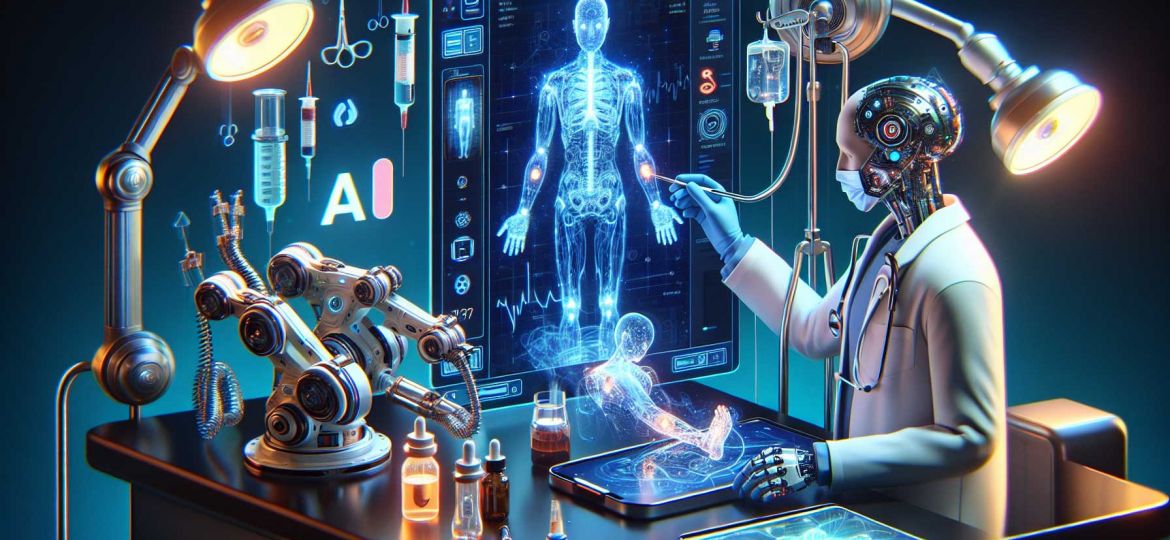

Artificial intelligence is quietly redefining pharmaceutical manufacturing. Rather than disrupting the industry overnight, it is embedding itself into daily operations and gradually raising the standard for precision, consistency, and compliance. In a sector where even small deviations can carry serious consequences, AI is becoming an operational cornerstone instead of a future-facing experiment.
Pharmaceutical production is inherently complex. From formulation and blending to packaging and distribution, every phase must account for variations in materials, tightly controlled environments, and detailed documentation requirements. AI helps reduce uncertainty across these processes. By analyzing vast amounts of operational data, intelligent systems provide clearer insights that support informed decision making and stable production outcomes. Human expertise remains central, but AI enhances it with sharper visibility and real time analytical support.
Advancing Performance Through Data Intelligence
Traditional automation follows predefined rules. AI goes further by learning from patterns within the data it processes. As manufacturing systems generate new information, machine learning models refine their outputs and improve accuracy. This continuous learning allows production lines to become more adaptive over time.
In practical terms, this means earlier detection of equipment wear, more precise monitoring of temperature and pressure conditions, and faster identification of irregularities that could affect product quality. Predictive maintenance reduces unexpected downtime, while dynamic process adjustments help preserve batch uniformity. These capabilities contribute to lower waste, improved efficiency, and stronger overall performance.
AI also plays a growing role in supply chain optimization. By integrating internal production data with broader market indicators, intelligent platforms help forecast demand changes and identify potential bottlenecks before they escalate. This level of foresight supports more stable operations and reduces vulnerability to disruptions.
Supporting Compliance While Encouraging Innovation
The pharmaceutical industry operates within one of the most heavily regulated environments in the world. Maintaining compliance while pursuing modernization requires careful balance. AI supports this effort by strengthening traceability and documentation practices.
Advanced analytics tools can review regulatory materials more efficiently, while integrated data systems maintain detailed records across production stages. This transparency allows manufacturers to innovate with greater confidence, knowing that oversight requirements remain intact.
A Stronger Foundation for the Future
As AI capabilities continue to mature, their role in pharmaceutical manufacturing will deepen. The emphasis is not on chasing technological trends, but on creating a more reliable and resilient production framework. Intelligent systems help align operational excellence with regulatory accountability, supporting both performance and patient safety.
In this evolving landscape, AI represents more than a tool. It reflects a broader shift toward data-driven precision and sustainable improvement. Organizations that thoughtfully integrate AI into their processes are positioning themselves to meet the demands of modern medical manufacturing with confidence and clarity.
For further insight into how AI is influencing pharmaceutical manufacturing standards, refer to the accompanying visual resource from Advanced Technology Services, provider of industrial maintenance services.

Comments are closed.