
The Hidden Architecture of Jaw Pain: Understanding TMJ Disorders, Diagnosis and Treatment for Lasting Relief

The jaw is one of the body’s most remarkable mechanical structures, performing thousands of movements each day without demanding much attention. It allows us to speak, chew, yawn and express emotion through subtle facial movements. Yet beneath this familiar routine lies a sophisticated network of joints, muscles, ligaments and nerves that must work together with remarkable precision. When even one component becomes strained or dysfunctional, the consequences can extend beyond the mouth, influencing sleep, concentration, posture and everyday comfort.
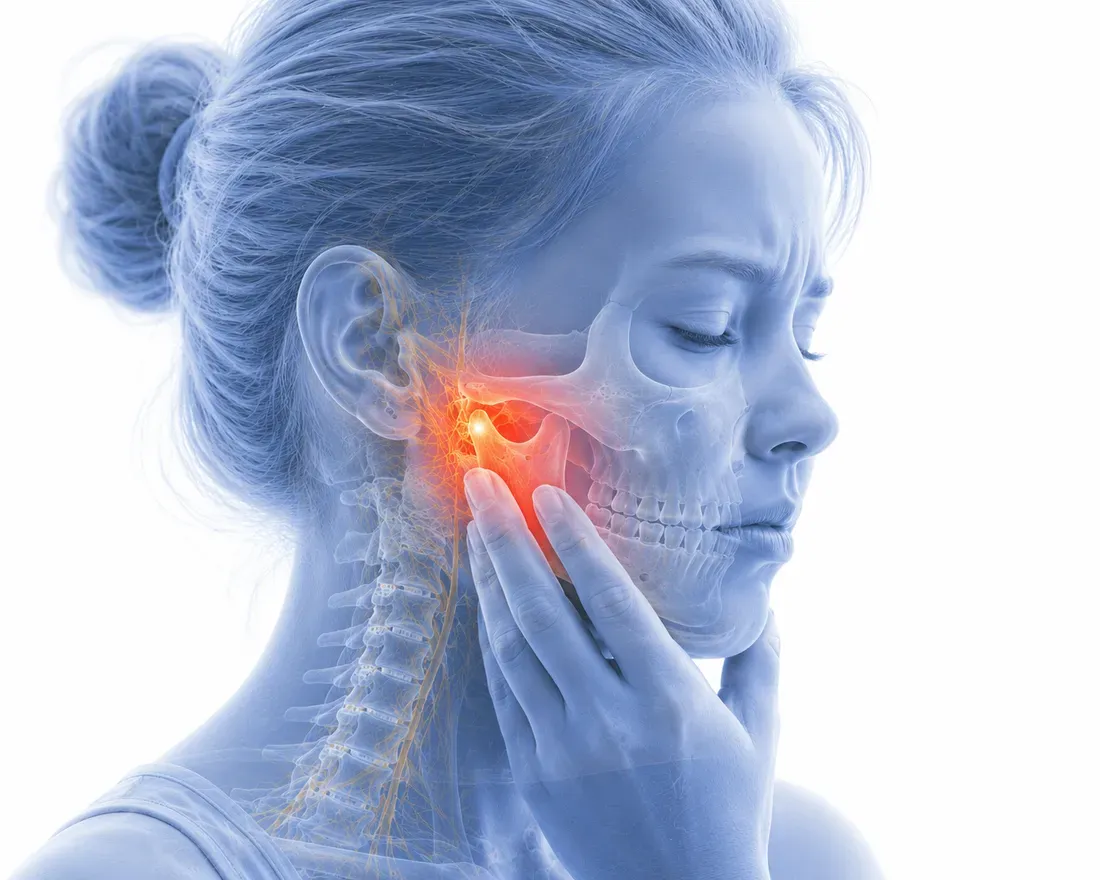
Understanding jaw pain requires looking beyond the location of the discomfort. The temporomandibular joints, commonly known as TMJs, connect the lower jaw to the skull on either side of the face. These joints coordinate with surrounding muscles and a small cushioning disc to support smooth movement. When this system becomes irritated, overloaded or poorly coordinated, it may contribute to a TMJ disorder, a broad term covering several conditions affecting the jaw joints and associated muscles.
The Intricate Mechanics Behind Jaw Pain
Unlike a simple hinge, the temporomandibular joint combines rotation and sliding movements. This allows the mouth to open widely while enabling the lower jaw to move forwards, backwards and sideways. Such versatility is essential for everyday function, but it also creates opportunities for discomfort when the joint’s components do not work harmoniously.
Jaw pain can develop for several reasons. Teeth grinding and clenching, particularly during sleep or periods of stress, may place excessive pressure on the jaw muscles. Joint inflammation, injury, arthritis and changes involving the cushioning disc can also contribute. In some cases, several factors overlap, making the source of pain difficult to identify without a thorough assessment.
Symptoms are not always confined to the jaw itself. People may experience clicking or popping sounds, restricted mouth opening, facial tenderness, headaches around the temples or discomfort near the ears. Some notice that chewing becomes tiring or that their jaw feels stiff after waking.
Importantly, a clicking joint does not automatically indicate disease, and not every person with a TMJ disorder experiences severe pain. The significance of each symptom depends on its pattern, intensity and effect on daily activities.
Looking Beyond the Symptoms: How Jaw Problems Affect Overall Wellbeing
The jaw does not operate in isolation. Its muscles interact with structures around the head and neck, while persistent discomfort can influence behaviour, sleep and emotional wellbeing.
For example, someone who experiences discomfort while chewing may gradually avoid tougher foods. Over time, this can make eating less enjoyable and potentially limit dietary variety. Night-time clenching may contribute to disrupted sleep, leaving a person feeling fatigued or less able to concentrate during the day.
Persistent pain can also create a frustrating cycle. Discomfort may increase stress, while stress can encourage muscle tension and clenching in some individuals. This does not mean that jaw pain is imaginary or simply caused by anxiety. Rather, it demonstrates how physical symptoms, sleep and emotional strain can influence one another.
Headaches and neck discomfort sometimes occur alongside temporomandibular disorders, although these symptoms can have other causes. This is why a careful assessment matters. Treating every headache as a jaw problem, or assuming that every clicking joint requires intervention, can lead to unnecessary treatment and missed diagnoses.
Diagnosis: Finding the Cause Before Choosing the Cure
Effective treatment begins with understanding what is happening beneath the surface. A dentist or appropriately qualified healthcare professional will usually begin by asking about symptoms, their duration, possible triggers and how they affect daily life.
The examination may include assessing jaw movement, checking for tenderness in the muscles and joints, listening for joint sounds and evaluating whether the mouth opens comfortably. The clinician may also examine the teeth for signs of grinding, wear or damage.
Imaging is not necessary for every patient. Depending on the findings, dental X-rays, CT scans or magnetic resonance imaging (MRI) may help investigate suspected bone changes, joint damage or problems involving the disc. The choice depends on the clinical question being investigated.
Because jaw pain can resemble dental infections, ear conditions, headaches and other disorders, identifying alternative explanations is an important part of diagnosis. Persistent, worsening or unexplained symptoms deserve professional attention rather than guesswork or prolonged self-treatment. Understanding how jaw issues impact your health therefore involves considering both the physical mechanics of the joint and the wider experience of living with pain.
Treatment That Respects the Body’s Natural Balance
For many people, the first approach is conservative and reversible. The goal is to reduce strain, restore comfortable movement and prevent the cycle of pain from becoming entrenched.
Simple measures may include eating softer foods temporarily, avoiding excessive gum chewing, applying a warm or cold compress according to what feels comfortable, and practising gentle jaw relaxation. Becoming aware of daytime clenching can also help. When the jaw is at rest, the teeth generally should not be held tightly together.
A healthcare professional may recommend physiotherapy or exercises tailored to the individual’s condition. These approaches can help improve movement, coordination and muscle function. Stress-management strategies may also be useful when tension contributes to clenching, although they should complement—not replace—appropriate physical assessment.
Some patients may benefit from a professionally assessed occlusal splint, particularly when teeth grinding is damaging the teeth. However, splints do not suit every condition, and their purpose should be clearly explained. Medication may sometimes be appropriate under professional guidance, depending on the symptoms and medical history.
More invasive procedures are generally reserved for carefully selected cases when the diagnosis supports them and less invasive options have not provided sufficient relief. Irreversible changes to the bite or teeth should not be undertaken casually as a treatment for jaw pain.
Building a Future With Less Pain
Lasting relief rarely comes from forcing the jaw into a perfect position. It comes from understanding its individual mechanics, recognising the habits and conditions that place it under strain, and choosing treatment that addresses the actual cause.
Jaw pain should not be dismissed as an ordinary inconvenience, particularly when it interferes with eating, speaking or sleeping. Seek prompt medical assessment for significant injury, sudden inability to open or close the mouth, or rapidly increasing swelling. Difficulty breathing or swallowing requires emergency care.
The hidden architecture of the jaw reminds us that even small structures can have an outsized influence on everyday life. With thoughtful diagnosis, evidence-informed treatment and realistic expectations, many people can improve their comfort and function. The objective is not simply to make the pain disappear temporarily, but to help the jaw return to the quiet, coordinated work that allows life to unfold without constant discomfort.
Comments are closed.