
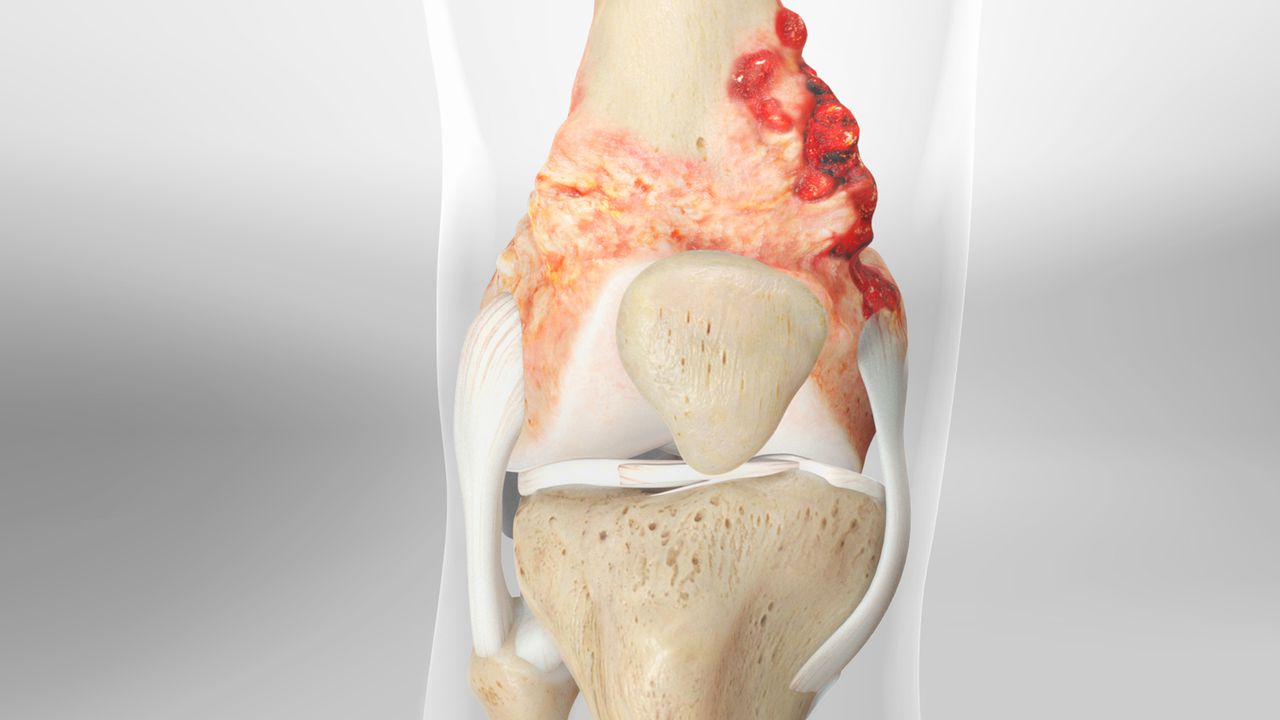

Bone cancer is a rare but serious condition where malignant cells originate in the bone tissue. Understanding bone cancer causes can help in early detection, and knowing the available bone cancer treatment options ensures patients make informed decisions. In this guide, we walk through the typical journey of treating bone cancer, from diagnosis to follow‑up care.
In this guide, we walk you through the typical journey of treating bone cancer — from diagnosis to follow-up care—with insights supported by Dr. Jamal A. Khan, a leading expert in advanced cancer immunotherapy in India.
Diagnosis & Assessment
The first step in bone cancer treatment is diagnosing and assessing the disease. This involves:
- Medical history & physical exam: The physician will ask about symptoms (bone pain, swelling, fractures), family history of cancer or genetic disorders, and any past exposure to risk factors. Research indicates many bone cancers arise without an obvious cause, but risk factors include inherited syndromes (like Li‑Fraumeni, hereditary retinoblastoma) or benign bone conditions (such as Paget disease, fibrous dysplasia).
- Imaging tests: X‑rays, MRI, CT scans, PET scans, or bone scans are used to visualize the tumor, its size, location, and whether cancer has spread.
- Biopsy: A sample of bone tissue is taken to confirm the cancer type (osteosarcoma, chondrosarcoma, Ewing sarcoma, ) and how aggressive it is (grade) and to guide treatment.
- Staging: Determines how far cancer has progressed, whether it’s localized (confined to one area) or metastasized (spread to other bones or organs). The stage helps plan the treatment and estimate the
- Multidisciplinary Treatment Planning
Once the type, stage, and general health of the patient are known, the multidisciplinary medical team (oncologists, orthopedic surgeons, radiologists, etc.) develops a personalized bone cancer treatment plan.
Factors considered include:
- Type of bone cancer (some respond well to chemotherapy, others less so)
- Location and size of the tumor
- Whether cancer has spread
- Patient age, overall health, and preferences
Also, the patient should be informed about potential bone cancer causes that cannot be changed (genetic predispositions, prior radiation therapies) and what risk factors are present, so they can better understand their situation.
- Main Treatment Modalities
Here are the main approaches used to treat bone cancer. Often, more than one modality is used in combination.
- Surgery
- Goal: remove the entire tumor, ideally with a margin of healthy tissue around it to reduce the chance of recurrence.
- Limb‑sparing surgery: If possible, only the tumor and affected bone/tissue are removed, preserving limb function. Bone may be reconstructed using grafts or prosthetics.
- Amputation: In cases where the tumor is very large or located in a place where sparing the limb would not leave good function or a high risk of recurrence, the limb may be removed for the patient’s safety.
- Chemotherapy
- Used especially for certain bone cancer types (e.g., osteosarcoma, Ewing sarcoma).
- Administered either before surgery (neoadjuvant chemotherapy) to shrink the tumor or after surgery (adjuvant chemotherapy) to kill any microscopic cancer cells left behind.
- Chemotherapy may also be part of palliative care if cancer has spread and cannot be fully removed, to reduce symptoms and slow disease progression.
- Radiation Therapy
- Uses high‑energy rays to kill cancer cells. It may be used when surgery is not fully possible or to treat areas where complete excision is risky.
- Also used for pain relief in advanced stages or palliative situations.
- Targeted Therapy and Immunotherapy (Emerging Options)
- Newer therapies, such as targeted drugs and immunotherapy, mark a shift toward precision medicine. Targeted therapy works by inhibiting specific proteins or genetic mutations that promote the growth and division of cancer cells. Immunotherapy enables the body’s own immune system to recognize and attack cancer cells.
- These treatments often come with different side‑effect profiles and are used depending on tumour markers and clinical trial availability.
- Pre‑Treatment Support & Preparation
Before treatment begins:
- Medical optimization: ensuring the patient is healthy enough (correct blood counts, nutrition, managing existing health issues)
- Psychological counseling: helping the patient and family understand what will happen, possible side effects, and setting expectations
- Planning for rehabilitation: Especially if surgery might involve major bone removal or limb salvage, it may include physical therapy, prosthetics, or support services.
- Treatment Execution
Based on the plan:
- Surgery is performed, often in specialist cancer or orthopedic centers.
- Chemotherapy/radiation schedules are followed as per protocol
- Targeted or immunotherapy may be added if the tumour has specific markers and eligibility criteria are met
- Throughout, side effects are monitored and managed (pain, infection risk, fatigue, effects of chemotherapy on other organs, etc.).
- Recovery, Follow‑Up & Rehabilitation
- Follow‑up care: Regular check‑ups, including imaging, lab tests, to watch for recurrence, monitor for metastasis, or new tumours.
- Rehabilitation: Physical therapy to restore movement, strength, and function; sometimes use of prosthetics or orthotic aids.
- Managing long‑term side effects: Some treatments may affect bone growth (in younger patients), organ function, or cause lasting discomfort or mobility issues.
- Supportive care & quality of life: Pain management, emotional & psychological support, nutritional care.
- Prognosis & Outcomes
The prognosis for bone cancer is highly individual and depends on several key factors, such as
- Diagnosis stage,
- type of bone cancer,
- how well the tumour responds to treatment,
- patient’s overall health.
Early detection and treatment often lead to better outcomes. Ongoing research is improving survival rates and offering new treatment options.
The Importance of Understanding Bone Cancer Causes and Risk Factors
Knowing the causes and risk factors of bone cancer, including genetic ones beyond our control, is important for
- Raising awareness among patients and clinicians
- Encouraging early screening or monitoring for high‑risk individuals
- Tailoring treatment plans and follow‑up schedules according to risk
Conclusion
The journey of bone cancer treatment involves several well‑defined steps: diagnosis & staging, treatment planning, and the actual treatment (surgery, chemo, and targeted therapies), followed by recovery and follow‑up. Although many bone cancer causes remain unknown, knowing risk factors helps clinicians and patients stay vigilant.
Denvax India provides immunotherapy treatment plans designed for each patient’s unique condition, ensuring the best possible chance of recovery, mobility, and quality of life.
In addition to standard therapies, patients may also benefit from participation in well-designed research studies supported by specialized clinical trial services, which help make new treatment options available under strict safety and quality standards.
Comments are closed.