
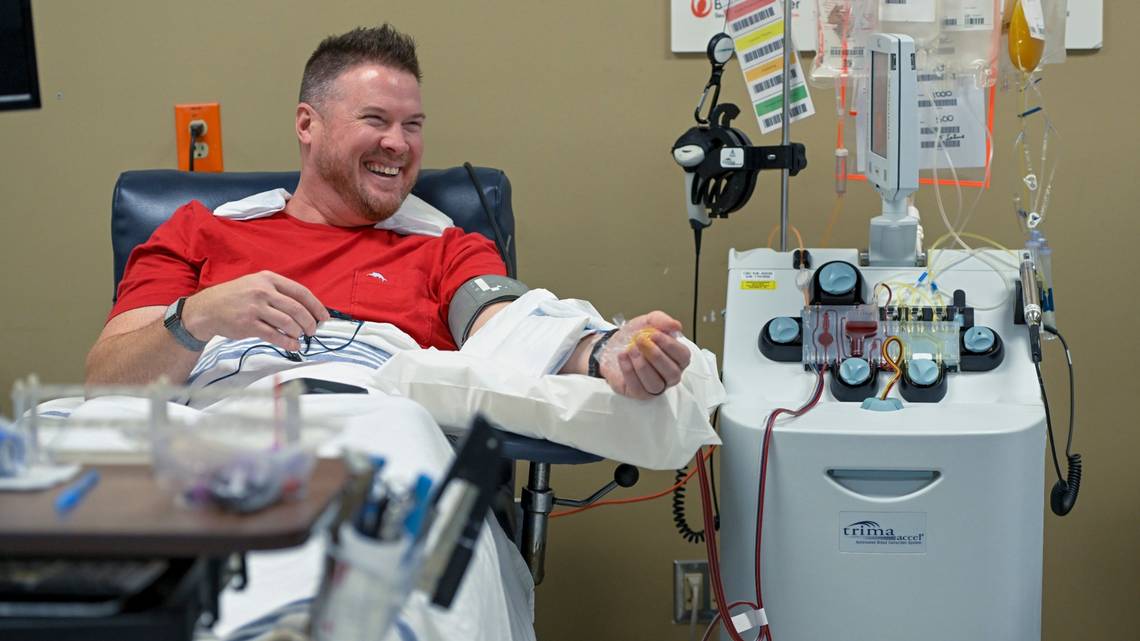

Plasma donation is more than a kind gesture; it is a powerful way to improve lives. Plasma, the clear fluid that makes up most of our blood, is vital in creating treatments for people living with conditions like immune disorders, hemophilia, and even severe burns. Donating it not only supports patients in need but can also bring benefits to donors, including a sense of fulfillment and modest financial compensation. Learning how the process works, what to expect, and why it matters can help you decide whether donating plasma is right for you.
Why Plasma Matters in Modern Medicine
Plasma makes up more than half of our blood volume and plays an active role in keeping the body healthy. Made up mostly of water, it helps regulate blood pressure and volume. Plasma also carries proteins like albumin, which keeps fluid levels balanced, globulins that fight infections, and fibrinogen that helps blood clot.
Electrolytes such as sodium, potassium, and calcium are also transported through plasma, supporting muscle movement and nerve communication. Without this fluid, our bodies could not function properly.
In healthcare, donated plasma is used to create life-saving therapies, such as clotting factors for people with hemophilia or immunoglobulins for patients with weak immune systems. Every donation directly supports treatments that can dramatically improve someone’s quality of life.
What to Expect When Donating Plasma
The process is designed to keep donors comfortable and safe from start to finish. It begins with a screening that includes a questionnaire about health history and lifestyle, followed by a quick physical exam to check vital signs like blood pressure and heart rate.
Once cleared, the donation itself takes place in a comfortable reclining chair. A sterile needle is inserted into your arm, and a process called plasmapheresis separates plasma from the other blood components. The red and white blood cells are returned to your body while the plasma is collected. The entire procedure usually takes 45 minutes to an hour.
Afterward, donors are encouraged to rest briefly, hydrate, and enjoy refreshments to restore energy. Regulations allow for plasma donation up to twice a week, giving the body enough time to recover between sessions.
Safety and Regulation: Protecting Donors and Patients
Plasma donation in the United States is tightly regulated. Agencies such as the FDA and the American Association of Blood Banks establish strict safety standards. Every donation undergoes thorough testing to ensure it is free of infectious diseases or contaminants before being used in treatments.
Centers must also follow Good Manufacturing Practices, which dictate everything from sanitation to staff training. Donors are educated on proper preparation and recovery, ensuring the process prioritizes their health as well as the safety of recipients.
Why Donating Plasma Benefits Everyone
Financial Incentives for Donors
Many plasma centers provide compensation for the time donors give. Depending on the location, donors may earn between $20 and $50 per session, with additional bonuses for frequent visits or seasonal promotions. While payment should not be the only reason to donate, this financial benefit often makes plasma donation an attractive option for students or those seeking extra income.
Health and Wellness Perks
Some donors report feeling an emotional lift after donating, knowing their effort helps others. There may also be physical benefits. Studies suggest regular plasma donation may encourage healthy blood circulation and stimulate the production of new blood cells. Staying well-hydrated and nourished before and after donation supports recovery and contributes to overall well-being.
Building Stronger Communities
Plasma centers often serve as gathering places for people committed to helping others. Donating creates a sense of shared responsibility and strengthens local communities. Awareness campaigns, outreach programs, and events tied to donation often bring people together while promoting health and compassion.
Who Can Donate? Eligibility and Misconceptions
To donate plasma, most centers require donors to be at least 18 years old, weigh at least 110 pounds, and be in good general health. Screening processes are designed to ensure safety for both the donor and patients who receive plasma-derived therapies.
Some conditions, such as hepatitis, HIV, or certain chronic illnesses, may prevent eligibility. Lifestyle factors, including substance use, are also taken into account. Because guidelines vary by center, checking in advance is recommended.
Common Myths About Plasma Donation
- “It is painful like blood donation.” In reality, the process involves little more than a pinch from the needle. Most donors describe it as manageable and less intimidating than expected.
- “It weakens your immune system.” Plasma replenishes quickly, and healthy donors usually maintain strong immune defenses.
- “It takes too much time.” While the full appointment may last about an hour, much of it is spent relaxing in a chair, often with access to reading material or entertainment.
Addressing these myths helps ease anxiety and encourages more people to contribute.
Getting Ready for Your First Donation
Preparing for the Appointment
A smooth experience starts with preparation. Drink plenty of water in the hours before donating and eat a light, protein-rich meal. Wearing comfortable clothes with sleeves that can be rolled up makes the process easier.
What Happens on Donation Day
After check-in and health screening, staff members guide you through the procedure. During plasmapheresis, you can read, scroll on your phone, or watch a show to pass the time. Once finished, you will be offered snacks and fluids while your body rebalances.
Caring for Yourself Afterward
Hydration remains important after donation. Most people feel fine afterward, though occasional lightheadedness may occur. If you experience persistent discomfort, donation centers provide guidance and support. Over time, sticking to good nutrition and rest will help maintain your health as a regular donor.
Final Thoughts
Plasma donation is a safe and rewarding way to support the medical needs of countless patients. It helps save lives, strengthens community bonds, and even offers benefits for donors themselves. By understanding the process and addressing common concerns, more people may feel confident about giving plasma. Whether you are motivated by compassion, community, or the added financial perk, your contribution makes a real difference.
Comments are closed.